Video isn’t a “nice to have” anymore. Around 88% of marketers treat it as a core part of how they reach people, and more than half of companies now use video to actually teach their customers something, not just sell to them. But there’s a ceiling built into every video you publish: the language it’s in. A great explainer or product demo only works for the people who understand it.
Why Embrace AI Dubbing and Video Translation?
It is obvious that today, in the world of globalization and rapid development, broadening the potential to communicate is an important need for many people and foreign business entities. In connection with this fact, artificial intelligence can substantially assist in solving existing language and communication-related issues. Particularly, AI dubbing and video translation may facilitate communication and content creation. There are several major reasons for using these tools.
Expand Your Global Reach
Embracing AI dubbing and video translation is a significant driver for increasing your global reach. Around 20% of the global population knows English to some extent. The AI tools can dub and translate your videos into any language, making them accessible to the other 80% of people. In addition to expanding exposure, this helps enter new markets and find new revenue streams. Technology breaks another barrier: language differences. There is no need to work with separate agencies or change your content to accommodate regional preferences. Drawing upon AI capabilities, you can create content that resonates with global audiences.
Enhance Viewer Engagement and Satisfaction
Watching videos in the mother tongue makes viewers happier and more engaged. When people understand content effortlessly, they perceive it with greater pleasure, are better focused, and more likely to respond. AI-driven tools are not limited to simple translation; they deliver cultural nuances by selecting the most contextually appropriate subtitles or determining the most relevant and popular dialect. This way, viewers watch the content longer because they perceive it better. When viewers listen to content in their mother tongue and podcasters’ voices, they connect and publish retention longer. Due to the draught technology, the podcast is more trusted by viewers and more accessible, boosting overall satisfaction.
How Does AI Dubbing and Video Translation Work?
The Magic Behind AI Dubbing
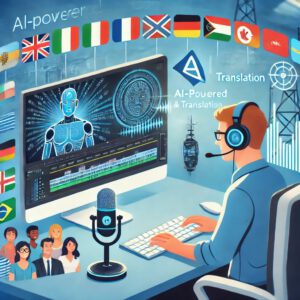
As you know, AI dubbing is geared towards repurposing content to cater to the requirements of global viewers. It is based on leveraging relevant technologies to transform the spoken language in one existing video into several languages. As for the detailed explanation, the entire process of AI dubbing is described below.
Speech Recognition
The first step in AI dubbing is speech recognition. This involves using AI algorithms to transcribe the spoken words in the original video into text. Based on the use of different algorithms, Automatic Speech Recognition (ASR) technology does not have any trouble labeling the language, even if there are several speakers or extraneous noise.
Text Translation
Once the speech is transcribed, the next step is translating the text into the target languages. AI-powered translation tools, such as Neural Machine Translation (NMT), are employed for this task. They are based on deep learning models and therefore the developed solution becomes capable of recognising the idiomatics and cultural context, allowing translation that is both accurate and credible-authentic.
Voice Cloning
In the third step, voice cloning is employed. Being the most widespread method in AI dubbing, it does not involve obligatory participation of actors since the technology involves training the AI sample on the voices of these actors. Therefore, the AI produces speech in other languages that is entirely consistent in mood, tone and pitch with that of a native speaker. This process involves advanced techniques in AI voiceover and voice cloning.
Synthesis and Lip Syncing
The translated and synthesized speech is then synchronized with the video. This involves adjusting the timing of the speech so that the new sounds and lip movements of the actors in the video match exactly, which is called lip syncing. AI algorithms analyze the video to ensure that the dubbed voices align perfectly with the actors’ lip movements, enhancing the viewer’s experience.
Final Integration
Finally, the dubbed audio is integrated back into the video. There is advanced editing software applied to ensure that the new audio tracks are seamlessly embedded, maintaining the quality and integrity of the original video.
Seamless Video Translation Integration
Integrating subtitles into videos seamlessly is another crucial aspect of AI video localization. This process ensures that viewers who prefer reading subtitles can enjoy the content without distractions. Here’s how the technology works:
Subtitle Generation
The process begins with generating subtitles from the original audio. Similar to dubbing, ASR technology transcribes the spoken content into text. This text is then translated into the target languages using NMT systems. The translated text is formatted into subtitles, considering readability and synchronization.
Subtitle Timing
Accurate timing is essential for subtitles to match the speech. AI tools analyze the audio track to determine the precise moments when each line of text should appear and disappear on the screen. This timing ensures that subtitles are displayed in sync with the spoken words, providing a smooth viewing experience.
Embedding Subtitles
Once the subtitles are prepared and timed, they are embedded into the video. This involves adding the text overlays at the correct positions on the screen. Advanced video editing software is used to ensure that the subtitles do not obscure important visual elements of the video.
Customization and Quality Control
To enhance the viewer experience, subtitles can be customized in terms of font, size, color, and position. AI tools assist in this customization, ensuring that subtitles are easy to read and aesthetically pleasing. Additionally, quality control measures are in place to review the final output, checking for any errors or discrepancies.
Multi-platform Compatibility
The final step is ensuring that the subtitled video is compatible with various platforms, such as YouTube multilingual options and other streaming services. AI tools assist in encoding the video in different formats and resolutions, making it accessible across different devices and platforms.
Content creators can leverage AI video and audio translation technologies to ensure their videos are not only accessible to a global audience but that they maintain higher engagement and viewer satisfaction levels as well. Indeed, these are not just “cool tricks” or some technical marvels but vital tools for pretty much anyone who is looking to expand clout online in today’s multilingual world.
Use Cases for AI Dubbing and Video Translation
AI dubbing and video translation have a wide range of practical applications. Here are some of the most common use cases:
Entertainment and Media
Movies, TV shows, and web series often need to reach global audiences. AI dubbing allows these productions to be enjoyed in multiple languages, making them accessible to viewers worldwide. Subtitles further enhance this accessibility, ensuring everyone can follow along.
E-Learning and Online Education
Online courses and educational videos can benefit greatly from AI translation. By dubbing instructional videos into various languages, educators can reach students across different countries. Subtitles also help in improving comprehension and retention for non-native speakers.
Corporate Training and Communication
For any international company, the issue of training employees living in different parts of the world is relevant. AI dubbing will come in handy here: training videos and corporate announcements or press releases can be translated into all required languages simultaneously. Multinational companies have been using video translation for a long time for more transparent communication with employees, which in turn leads to less risk of misunderstanding and confusion.
Marketing and Advertising
Brands aiming to expand their market reach use AI video translation to localize their advertisements. By dubbing and subtitling promotional videos, companies can connect with potential customers in their native languages, making their messages more impactful.
Social Media and Content Creators
YouTube creators and influencers can use AI dubbing to make their content accessible to a broader audience. By offering videos in multiple languages, they can increase their viewer base and engage with fans from different parts of the world.
News and Journalism
News outlets can leverage AI translation to deliver news to a global audience. By dubbing or subtitling news reports, they can ensure that crucial information is accessible to people regardless of language barriers.
Implementing AI Solutions in Your Video Content Strategy
Choosing the Right AI Dubbing and Translation Services
When it comes to AI dubbing and translation for your business or blog, it’s crucial to choose the right service provider that meets your specific needs. Here are some key factors to consider:
- Accuracy and Quality: Prioritize services that utilize advanced AI technologies and have a proven track record of delivering accurate and high-quality translations. Look for providers that employ human proofreaders or editors to ensure the final output is polished and error-free.
- Language Expertise: Evaluate the service provider’s language capabilities and ensure they can handle the languages you require. Some services may specialize in specific language pairs or have stronger expertise in certain domains.
- Customization Options: Businesses and bloggers often have unique requirements, such as maintaining brand voice, adhering to style guides, or incorporating industry-specific terminology. Look for services that offer customization options to ensure the translated content aligns with your preferences.
- Turnaround Time: Depending on your deadlines, you may need translations or dubs delivered quickly. Consider services that can accommodate tight turnaround times without compromising quality.
- Scalability: If you anticipate a growing volume of content, choose a service that can scale seamlessly to handle larger projects without delays or quality degradation.
- Audio Quality (for Dubbing): When it comes to AI dubbing, audio quality is paramount. Evaluate the service’s ability to produce natural-sounding voiceovers that match the tone and emotion of the original content.
Best Practices for AI-Enhanced Video Content
Integrating AI dubbing and translation into your video content strategy can be highly effective if done correctly. Here are some best practices to follow:
- Start With Clear Objectives
Before experimenting with any new AI tools, get clear on your goals. Do you want to automate certain labor-intensive tasks? Create more immersive experiences? Deliver personalized content at scale? Defining your priorities will help you identify the right AI capabilities to adopt.
- Audit Your Current Processes
Map out your existing video production and distribution processes from start to finish. Look for bottlenecks, inefficiencies, and areas where AI could streamline or enhance things. This will highlight which workflow stages could most benefit from AI integration.
- Phase the Rollout
Don’t try to implement all the AI capabilities at once across your entire operation. Start with a single high-impact process or specific projects where you can pilot the technologies. Having a focused phased rollout makes it easier to work through integration challenges.
- Mind the Data Demands
Many video AI tools require training on large datasets of content and metadata. Make sure you have access to the data volumes and computing power required, potentially by partnering with specialist providers like Trembit AI that offer pretrained models and APIs.
- Evolve Your Skills
Getting full value from AI for video hinges on your team’s abilities to use the technologies properly. Invest in training team members on the optimal ways to leverage the AI toolkits across production, editing, enhancement, delivery and more.
- Monitor and Adapt
Consistently measure and analyze the outputs and impacts of your AI-powered video pipelines. Be prepared to refine processes, rebalance workloads between humans and machines, and adjust your AI integration as needed to continue improving over time.
Final Thoughts
The potential of AI-powered dubbing and video translation is vast, offering content creators and publishers a chance to reach global audiences more effectively than ever before. By automating the labor-intensive process of dubbing audio and translating video content, these technologies drastically reduce turnaround times and costs. This allows for rapid localization into multiple languages on an unprecedented scale.
Perhaps more importantly, AI dubbing and translation enable a level of personalization and customization that was previously impractical. With the ability to automatically generate naturalistic voice performances and render on-screen text dynamically, each viewer can consume content in their preferred language and format. This heightened accessibility drives broader engagement and revenue opportunities.
As the demand for multilingual video content continues rising, those who embrace AI dubbing and translation will be well-positioned to capitalize on these advantages. Don’t get left behind as this frontier rapidly advances – the future of global storytelling is being shaped today.
Take the First Step with Trembit AI-Powered Localization Platform
If you’re ready to take your video content to new heights and conquer the world, look no further than Trembit. Our team of video streaming experts is dedicated to providing personalized solutions and unwavering support to help you seamlessly integrate AI dubbing and translation capabilities into your workflow.
Don’t hesitate – contact us today to schedule a consultation and learn how we can transform your videos into multilingual masterpieces, captivating audiences across the globe. Unlock the power of AI and embark on a journey of limitless possibilities.
Video isn’t a “nice to have” anymore. Around 88% of marketers treat it as a core part of how they reach people, and more than half of companies now use video to actually teach their customers something, not just sell to them. But there’s a ceiling built into every video you publish: the language it’s in. A great explainer or product demo only works for the people who understand it.
Why Embrace AI Dubbing and Video Translation?
It is obvious that today, in the world of globalization and rapid development, broadening the potential to communicate is an important need for many people and foreign business entities. In connection with this fact, artificial intelligence can substantially assist in solving existing language and communication-related issues. Particularly, AI dubbing and video translation may facilitate communication and content creation. There are several major reasons for using these tools.
Expand Your Global Reach
Embracing AI dubbing and video translation is a significant driver for increasing your global reach. Around 20% of the global population knows English to some extent. The AI tools can dub and translate your videos into any language, making them accessible to the other 80% of people. In addition to expanding exposure, this helps enter new markets and find new revenue streams. Technology breaks another barrier: language differences. There is no need to work with separate agencies or change your content to accommodate regional preferences. Drawing upon AI capabilities, you can create content that resonates with global audiences.
Enhance Viewer Engagement and Satisfaction
Watching videos in the mother tongue makes viewers happier and more engaged. When people understand content effortlessly, they perceive it with greater pleasure, are better focused, and more likely to respond. AI-driven tools are not limited to simple translation; they deliver cultural nuances by selecting the most contextually appropriate subtitles or determining the most relevant and popular dialect. This way, viewers watch the content longer because they perceive it better. When viewers listen to content in their mother tongue and podcasters’ voices, they connect and publish retention longer. Due to the draught technology, the podcast is more trusted by viewers and more accessible, boosting overall satisfaction.
How Does AI Dubbing and Video Translation Work?
The Magic Behind AI Dubbing
As you know, AI dubbing is geared towards repurposing content to cater to the requirements of global viewers. It is based on leveraging relevant technologies to transform the spoken language in one existing video into several languages. As for the detailed explanation, the entire process of AI dubbing is described below.
Speech Recognition
The first step in AI dubbing is speech recognition. This involves using AI algorithms to transcribe the spoken words in the original video into text. Based on the use of different algorithms, Automatic Speech Recognition (ASR) technology does not have any trouble labeling the language, even if there are several speakers or extraneous noise.
Text Translation
Once the speech is transcribed, the next step is translating the text into the target languages. AI-powered translation tools, such as Neural Machine Translation (NMT), are employed for this task. They are based on deep learning models and therefore the developed solution becomes capable of recognising the idiomatics and cultural context, allowing translation that is both accurate and credible-authentic.
Voice Cloning
In the third step, voice cloning is employed. Being the most widespread method in AI dubbing, it does not involve obligatory participation of actors since the technology involves training the AI sample on the voices of these actors. Therefore, the AI produces speech in other languages that is entirely consistent in mood, tone and pitch with that of a native speaker. This process involves advanced techniques in AI voiceover and voice cloning.
Synthesis and Lip Syncing
The translated and synthesized speech is then synchronized with the video. This involves adjusting the timing of the speech so that the new sounds and lip movements of the actors in the video match exactly, which is called lip syncing. AI algorithms analyze the video to ensure that the dubbed voices align perfectly with the actors’ lip movements, enhancing the viewer’s experience.
Final Integration
Finally, the dubbed audio is integrated back into the video. There is advanced editing software applied to ensure that the new audio tracks are seamlessly embedded, maintaining the quality and integrity of the original video.
Seamless Video Translation Integration
Integrating subtitles into videos seamlessly is another crucial aspect of AI video localization. This process ensures that viewers who prefer reading subtitles can enjoy the content without distractions. Here’s how the technology works:
Subtitle Generation
The process begins with generating subtitles from the original audio. Similar to dubbing, ASR technology transcribes the spoken content into text. This text is then translated into the target languages using NMT systems. The translated text is formatted into subtitles, considering readability and synchronization.
Subtitle Timing
Accurate timing is essential for subtitles to match the speech. AI tools analyze the audio track to determine the precise moments when each line of text should appear and disappear on the screen. This timing ensures that subtitles are displayed in sync with the spoken words, providing a smooth viewing experience.
Embedding Subtitles
Once the subtitles are prepared and timed, they are embedded into the video. This involves adding the text overlays at the correct positions on the screen. Advanced video editing software is used to ensure that the subtitles do not obscure important visual elements of the video.
Customization and Quality Control
To enhance the viewer experience, subtitles can be customized in terms of font, size, color, and position. AI tools assist in this customization, ensuring that subtitles are easy to read and aesthetically pleasing. Additionally, quality control measures are in place to review the final output, checking for any errors or discrepancies.
Multi-platform Compatibility
The final step is ensuring that the subtitled video is compatible with various platforms, such as YouTube multilingual options and other streaming services. AI tools assist in encoding the video in different formats and resolutions, making it accessible across different devices and platforms.
Content creators can leverage AI video and audio translation technologies to ensure their videos are not only accessible to a global audience but that they maintain higher engagement and viewer satisfaction levels as well. Indeed, these are not just “cool tricks” or some technical marvels but vital tools for pretty much anyone who is looking to expand clout online in today’s multilingual world.
Use Cases for AI Dubbing and Video Translation
AI dubbing and video translation have a wide range of practical applications. Here are some of the most common use cases:
Entertainment and Media
Movies, TV shows, and web series often need to reach global audiences. AI dubbing allows these productions to be enjoyed in multiple languages, making them accessible to viewers worldwide. Subtitles further enhance this accessibility, ensuring everyone can follow along.
E-Learning and Online Education
Online courses and educational videos can benefit greatly from AI translation. By dubbing instructional videos into various languages, educators can reach students across different countries. Subtitles also help in improving comprehension and retention for non-native speakers.
Corporate Training and Communication
For any international company, the issue of training employees living in different parts of the world is relevant. AI dubbing will come in handy here: training videos and corporate announcements or press releases can be translated into all required languages simultaneously. Multinational companies have been using video translation for a long time for more transparent communication with employees, which in turn leads to less risk of misunderstanding and confusion.
Marketing and Advertising
Brands aiming to expand their market reach use AI video translation to localize their advertisements. By dubbing and subtitling promotional videos, companies can connect with potential customers in their native languages, making their messages more impactful.
Social Media and Content Creators
YouTube creators and influencers can use AI dubbing to make their content accessible to a broader audience. By offering videos in multiple languages, they can increase their viewer base and engage with fans from different parts of the world.
News and Journalism
News outlets can leverage AI translation to deliver news to a global audience. By dubbing or subtitling news reports, they can ensure that crucial information is accessible to people regardless of language barriers.
Implementing AI Solutions in Your Video Content Strategy
Choosing the Right AI Dubbing and Translation Services
When it comes to AI dubbing and translation for your business or blog, it’s crucial to choose the right service provider that meets your specific needs. Here are some key factors to consider:
- Accuracy and Quality: Prioritize services that utilize advanced AI technologies and have a proven track record of delivering accurate and high-quality translations. Look for providers that employ human proofreaders or editors to ensure the final output is polished and error-free.
- Language Expertise: Evaluate the service provider’s language capabilities and ensure they can handle the languages you require. Some services may specialize in specific language pairs or have stronger expertise in certain domains.
- Customization Options: Businesses and bloggers often have unique requirements, such as maintaining brand voice, adhering to style guides, or incorporating industry-specific terminology. Look for services that offer customization options to ensure the translated content aligns with your preferences.
- Turnaround Time: Depending on your deadlines, you may need translations or dubs delivered quickly. Consider services that can accommodate tight turnaround times without compromising quality.
- Scalability: If you anticipate a growing volume of content, choose a service that can scale seamlessly to handle larger projects without delays or quality degradation.
- Audio Quality (for Dubbing): When it comes to AI dubbing, audio quality is paramount. Evaluate the service’s ability to produce natural-sounding voiceovers that match the tone and emotion of the original content.
Best Practices for AI-Enhanced Video Content
Integrating AI dubbing and translation into your video content strategy can be highly effective if done correctly. Here are some best practices to follow:
- Start With Clear Objectives
Before experimenting with any new AI tools, get clear on your goals. Do you want to automate certain labor-intensive tasks? Create more immersive experiences? Deliver personalized content at scale? Defining your priorities will help you identify the right AI capabilities to adopt.
- Audit Your Current Processes
Map out your existing video production and distribution processes from start to finish. Look for bottlenecks, inefficiencies, and areas where AI could streamline or enhance things. This will highlight which workflow stages could most benefit from AI integration.
- Phase the Rollout
Don’t try to implement all the AI capabilities at once across your entire operation. Start with a single high-impact process or specific projects where you can pilot the technologies. Having a focused phased rollout makes it easier to work through integration challenges.
- Mind the Data Demands
Many video AI tools require training on large datasets of content and metadata. Make sure you have access to the data volumes and computing power required, potentially by partnering with specialist providers like Trembit AI that offer pretrained models and APIs.
- Evolve Your Skills
Getting full value from AI for video hinges on your team’s abilities to use the technologies properly. Invest in training team members on the optimal ways to leverage the AI toolkits across production, editing, enhancement, delivery and more.
- Monitor and Adapt
Consistently measure and analyze the outputs and impacts of your AI-powered video pipelines. Be prepared to refine processes, rebalance workloads between humans and machines, and adjust your AI integration as needed to continue improving over time.
Final Thoughts
The potential of AI-powered dubbing and video translation is vast, offering content creators and publishers a chance to reach global audiences more effectively than ever before. By automating the labor-intensive process of dubbing audio and translating video content, these technologies drastically reduce turnaround times and costs. This allows for rapid localization into multiple languages on an unprecedented scale.
Perhaps more importantly, AI dubbing and translation enable a level of personalization and customization that was previously impractical. With the ability to automatically generate naturalistic voice performances and render on-screen text dynamically, each viewer can consume content in their preferred language and format. This heightened accessibility drives broader engagement and revenue opportunities.
As the demand for multilingual video content continues rising, those who embrace AI dubbing and translation will be well-positioned to capitalize on these advantages. Don’t get left behind as this frontier rapidly advances – the future of global storytelling is being shaped today.
Take the First Step with Trembit AI-Powered Localization Platform
If you’re ready to take your video content to new heights and conquer the world, look no further than Trembit. Our team of video streaming experts is dedicated to providing personalized solutions and unwavering support to help you seamlessly integrate AI dubbing and translation capabilities into your workflow.
Don’t hesitate – contact us today to schedule a consultation and learn how we can transform your videos into multilingual masterpieces, captivating audiences across the globe. Unlock the power of AI and embark on a journey of limitless possibilities.