The explosion of real-time, user-generated content platforms like TikTok, Clubhouse, and Instagram Live has permanently changed how people communicate, entertain, and even shop. These platforms didn’t just benefit from social momentum—they were architected for scalability, low latency, and intelligent content management from the start.
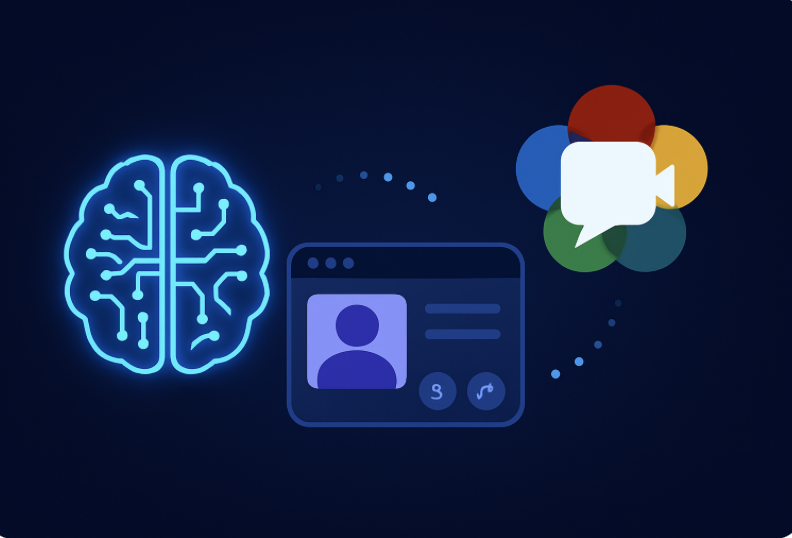
If you’re building the next big thing in video or voice-first social apps, there’s one winning combo you can’t afford to ignore: AI + WebRTC.
At Trembit, we’ve seen firsthand how this formula powers modern digital experiences — from video streaming platforms to interactive conferencing tools — and in this article, we’ll break down why it matters, how it works, and how to get it right.
What Made TikTok and Clubhouse Succeed – and How to Apply It in 2025–26
TikTok and Clubhouse didn’t just ride trends — they engineered user experiences designed for explosive adoption. TikTok combined ultra-short, highly consumable videos with a powerful AI-driven recommendation engine, creating an endless, personalized feed that kept users scrolling. Clubhouse capitalized on the novelty of live, drop-in audio conversations, making interactions feel exclusive yet accessible.
Beneath the surface, four shared pillars of their success:
- Low-latency communication – enabling real-time participation without noticeable lag.
- Real-time media handling – processing audio and video streams smoothly at scale.
- Scalable media infrastructure – supporting sudden surges in traffic without service drops.
- AI-powered personalization & moderation – keeping content relevant while ensuring community standards.
Key insight: Their growth wasn’t just about features — it was about removing all friction between discovery, engagement, and sharing, making every interaction feel instant and rewarding.
Applying in 2025–26:
- Personalization will get hyper-contextual – AI will go beyond “interests” to tailor feeds based on mood, location, and current events.
- Immersive formats will dominate – expect integration of AR, 3D audio, and shoppable video to make experiences richer.
- Community-first design – building micro-communities within platforms to sustain engagement beyond the initial viral wave.
- Trust & safety as growth drivers – real-time moderation and authenticity verification will be as critical as content delivery speed.
By combining these proven mechanics with upcoming tech trends, new platforms can achieve the same viral lift — but with the staying power to thrive in the competitive digital ecosystem of 2025 and beyond.
Why WebRTC Is the Backbone of Real-Time Interaction
WebRTC (Web Real-Time Communication) is an open-source standard that allows browsers and mobile apps to communicate via audio, video, and data in real time—without needing plugins or external apps.
Key benefits:
- Ultra-low latency: Enables real-time audio/video transmission (under 500ms).
- Peer-to-peer & SFU/MCU architectures: Scales for both small group chats and large broadcast-like sessions.
- Built-in security: Uses DTLS and SRTP encryption by default.
- Cross-platform support: Works on iOS, Android, and desktop browsers.
In other words, WebRTC allows you to stream live interactions the way TikTok or Clubhouse does — natively, securely, and in real-time.
Trembit Tip:
When building high-scale apps, don’t go fully peer-to-peer. Use an SFU (Selective Forwarding Unit) architecture to manage media streams efficiently and ensure scalability for thousands of users.
Where AI Fits In: Beyond the Hype
While WebRTC handles the how of communication, AI defines the experience. TikTok’s “For You” feed isn’t magic — it’s powered by recommendation engines trained on user behavior, video metadata, and engagement patterns.
Let’s look at practical ways to integrate AI into your platform:
1. Content Recommendation & Personalization
AI can analyze:
- User watch time
- Audio/video content (using NLP, CV, or sentiment analysis)
- Engagement metrics (likes, comments, shares)
This enables dynamic feed ranking, just like TikTok or Instagram Reels.
2. Real-Time Moderation
Especially critical for live audio/video platforms. AI helps:
- Detect nudity, hate speech, violence (CV + NLP)
- Flag or auto-mute disruptive users
- Auto-generate moderation alerts or block lists
Pair this with human-in-the-loop systems for optimal accuracy and fairness.
3. Speech-to-Text & Transcription
Live captions make platforms accessible and indexable. AI-powered ASR (Automatic Speech Recognition) can also be used for:
- Content search
- Real-time translation
- Audio sentiment analysis
4. Voice & Video Augmentation
AI-powered filters, avatars, and sound effects keep users engaged and drive content creation. Snapchat and TikTok thrive on these micro-interactions.
AI + WebRTC: How They Work Together
The power of AI + WebRTC comes from integration at the infrastructure and application levels.
| Function | WebRTC Role | AI Role |
| Live Streaming | Real-time transmission | Quality enhancement, face detection |
| Group Audio Chats | Peer or server-based audio | Noise suppression, speaker recognition |
| Live Moderation | Media delivery | Content filtering in real-time |
| Personalization | Event-driven data | Feed curation, user clustering |
| Accessibility | Real-time media | Speech-to-text, translation |
The result? Intelligent real-time platforms that can react to and adapt to users while delivering a seamless experience.
Implementation Considerations for Founders and CTOs
Building such a platform isn’t trivial. Here are five key areas to get right:
- Media Infrastructure
Use WebRTC frameworks like mediasoup, Janus, or LiveKit with SFU architecture to scale. If you plan for broadcast-scale audiences, consider hybrid WebRTC + HLS streaming. - AI Model Strategy
Choose between edge AI (for low latency, privacy) and cloud-based inference (for scalability and compute). Pre-trained models from OpenAI, Google, or Hugging Face are a great starting point. - Data Privacy Compliance
With the rise of GDPR, CCPA, and the EU AI Act, make sure your system has:- Consent management
- Transparent AI decision logs
- On-device inferencing options where needed
- Mobile Optimization
WebRTC is sensitive to network and CPU. Optimize for:- Adaptive bitrate streaming
- Background task handling
- Battery-efficient AI processing
- User Growth Readiness
Build with observability and load testing in place. Use telemetry and AI-assisted analytics to understand bottlenecks.
Real-World Examples: How Trembit Turns Technology into Revenue
At Trembit, we don’t just talk about real-time engagement — we engineer it to deliver measurable business results.
Example 1 – Live Event Shopping App
A retail client wanted to turn live product demos into instant sales. We built:
- WebRTC video streaming for real-time, low-latency presentations.
- AI-powered tagging & recommendations to instantly show related products during the stream.
- Scalable SFU architecture in Node.js to handle thousands of concurrent viewers without buffering.
Impact:
- +33% higher conversion rates during live events.
- +21% increase in average order value through upselling recommendations.
- Return on investment achieved in 4 months.
Example 2 – Interactive Fitness Platform
We partnered with a health & wellness startup to create a platform for live group workouts:
- Two-way video streams allowed trainers to monitor participants’ form and provide real-time feedback.
- Gamified leaderboards powered by live data processing.
- Cloud scaling to support sudden traffic spikes during influencer-led classes.
Impact:
- User retention tripled compared to pre-recorded classes.
- The average subscription duration increased from 2.5 months to 7 months.
- Revenue per active user increased by 45%.
Example 3 – AI-Powered Esports Companion App
For a gaming client, we delivered a real-time match companion app:
- Live stats & commentary synced to ongoing matches.
- AI-driven highlights are generated within 90 seconds of in-game events.
- Low-latency data delivery to mobile and desktop users worldwide.
Impact:
- 40% more daily active users.
- Sponsorship revenue up 28% thanks to premium highlight placements.
- 6x faster clip turnaround boosted social sharing and brand visibility.
The Formula for Business Impact
By combining low-latency delivery, AI personalization, and scalable infrastructure, we help clients:
- Boost revenue via higher conversions, upsells, and ad monetization.
- Increase retention by designing an engaging, habit-forming, and rewarding experience
- Reduce churn with instant, engaging, and personalized interactions.
Final Thoughts
In the race to build the next TikTok or Clubhouse, the winners will be those who understand not just the front-end features but the technical architecture that enables scale, safety, and stickiness.
WebRTC gives you the real-time engine. AI turns it into an intelligent, personalized experience.
Together, they are the secret formula. Ready to build it? Trembit has the experience and talent to bring your idea to life