In today’s fast-paced digital world, organizations heavily rely on various IT products, especially video conferencing due to ‘remote work’ times, and services to streamline their operations and drive growth. However, it’s crucial for businesses to periodically conduct IT product audits to ensure optimal performance, security, and cost-effectiveness. In this article, we will explore some simple tips and tricks for conducting an effective IT product audit that Trembit can offer within our WebRTC consulting service.
Types of Audit
In today’s world, organizations conduct different types of audits to ensure quality and compliance. The three primary types of audits are: 
- Systems audit
A systems audit focuses on evaluating the quality capability of an organization’s quality management systems. It assesses the effectiveness of processes, procedures, and documentation in place to ensure quality throughout the organization.
- Process audit
A process audit aims to assess the quality capability of products and their associated processes. It examines the methods, procedures, and controls used during production or service delivery to ensure effective and efficient processes that meet customer requirements.
- Product audit
A product audit focuses on evaluating the quality characteristics of finished products. It verifies compliance with predefined quality standards and specifications, ensuring that the products meet customer expectations and regulatory requirements.
By conducting these audits, organizations can gain insights into their quality management systems, processes, and final products. This allows them to identify areas for improvement, ensure compliance, and maintain high-quality standards.
Now, let’s review and focus on the Product audit for the finished products.
Product Audit Tips and Tricks
If you are eager to conduct an audit of your product, verify you are on the right way and follow these consequence:
-
Define the Scope
- Before diving into an IT product audit, clearly define the scope of the audit. Identify the specific IT products, systems, or services that will be evaluated. This may include hardware, software applications, cloud services, network infrastructure, and security protocols. A well-defined scope helps in focusing the audit and ensures comprehensive coverage.
- Before diving into an IT product audit, clearly define the scope of the audit. Identify the specific IT products, systems, or services that will be evaluated. This may include hardware, software applications, cloud services, network infrastructure, and security protocols. A well-defined scope helps in focusing the audit and ensures comprehensive coverage.
-
Review Documentation
- Thoroughly review the documentation related to the IT product under audit. This includes any related docs, such as: user manuals, system specifications, licenses, and warranties. Understanding the intended functionalities, operational requirements, and limitations of the products will help in assessing their performance and compliance.
- Thoroughly review the documentation related to the IT product under audit. This includes any related docs, such as: user manuals, system specifications, licenses, and warranties. Understanding the intended functionalities, operational requirements, and limitations of the products will help in assessing their performance and compliance.
-
Evaluate Performance
- Assess the performance of IT products based on predefined criteria. This involves measuring factors like response time, data processing speed, system availability, and scalability. Identify any performance bottlenecks or areas that require improvement. Consider utilizing performance monitoring tools and techniques to gather accurate data for evaluation. Trembit suggests such useful tools as: Hotjar, Analytics monitoring, Sentry, Grafana, Cloudwatch.
- Assess the performance of IT products based on predefined criteria. This involves measuring factors like response time, data processing speed, system availability, and scalability. Identify any performance bottlenecks or areas that require improvement. Consider utilizing performance monitoring tools and techniques to gather accurate data for evaluation. Trembit suggests such useful tools as: Hotjar, Analytics monitoring, Sentry, Grafana, Cloudwatch.
-
Ensure Security Compliance
- Security is a heavy concern for any IT product. Evaluate the security measures implemented within the products being audited. This includes checking for encryption protocols, access controls, vulnerability patches, and data backup procedures. Identify any potential security vulnerabilities and ensure that appropriate safeguards are in place.
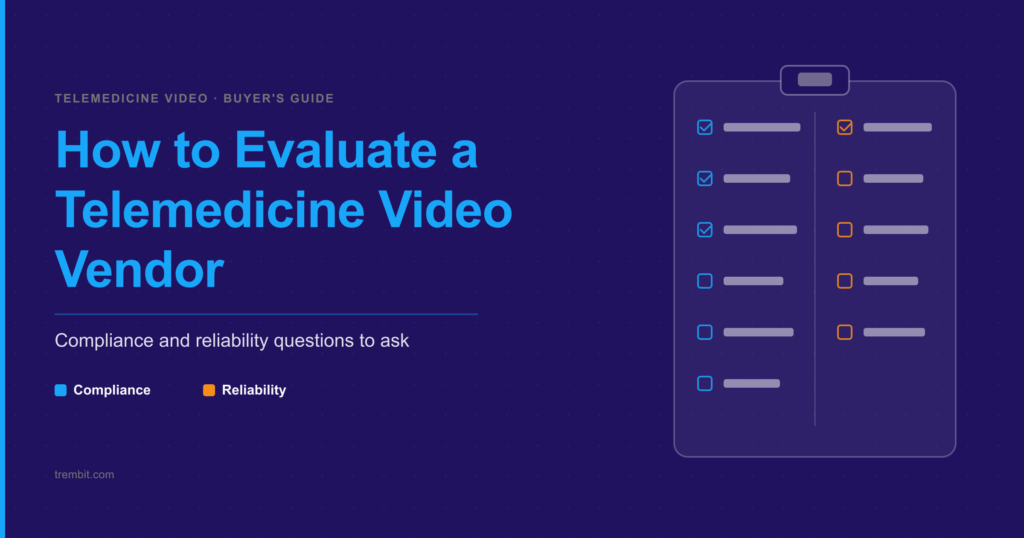
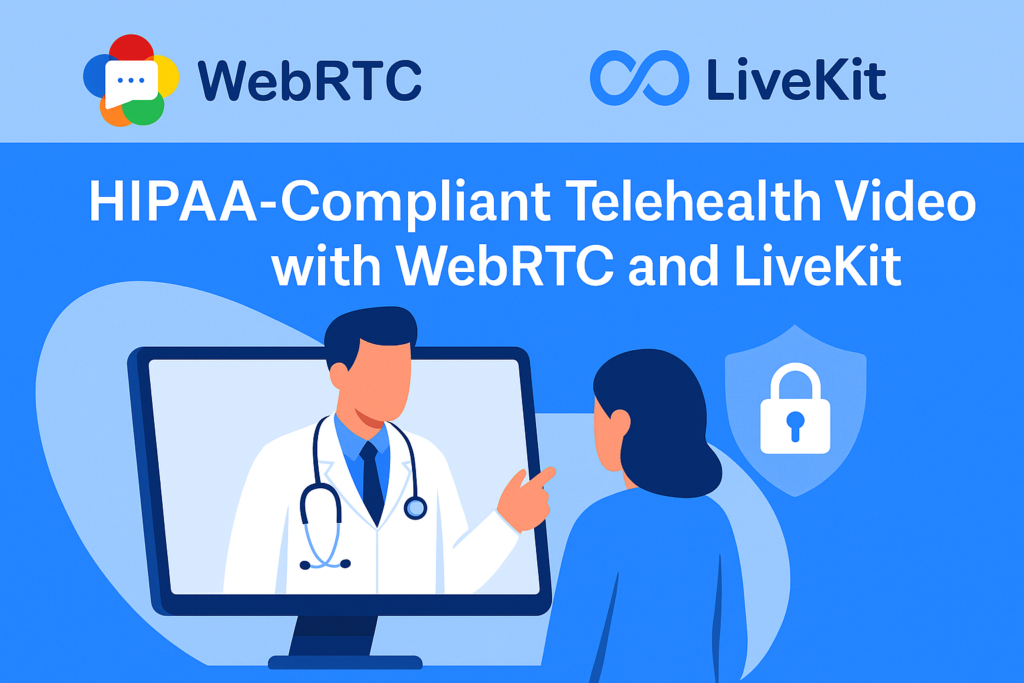
- In the video streaming products, particularly used for Telemedicine, Health services sphere, and other security governed areas, we strictly suggest conducting HIPAA compliance, GDPR, and KBV (Kassenärztliche Vereinigung Bayerns) audit.

-
Assess Licensing and Compliance
- Verify that all IT products are properly licensed and compliant with relevant regulations and agreements. Ensure that the organization is using the products within the permissible limits defined by the licenses. Additionally, review any contractual obligations, such as service level agreements (SLAs), to ensure compliance with vendor requirements.
- Verify that all IT products are properly licensed and compliant with relevant regulations and agreements. Ensure that the organization is using the products within the permissible limits defined by the licenses. Additionally, review any contractual obligations, such as service level agreements (SLAs), to ensure compliance with vendor requirements.
-
Conduct User Satisfaction Surveys
- Gain user satisfaction by conducting surveys or gathering feedback from the users of the IT products. Assess their experiences, pain points, and suggestions for improvement. User feedback is valuable in identifying usability issues, training needs, or areas where the products may not align with user expectations.
- Since the video streaming niche directly deals with the end-users, Trembit suggests checking the UI and UX, by our corresponding service.
-
Analyze the Total Cost of Ownership
- Consider the overall cost associated with IT products, including acquisition costs, maintenance expenses, licensing fees, and operational costs. Evaluate whether the products are cost-effective and provide value for money. Identify any cost-saving opportunities or alternative solutions that could potentially enhance efficiency and reduce expenditure.
Conclusion
Video streaming IT product audits are essential for organizations to maintain a reliable and secure technology infrastructure. By following these simple tips and tricks, businesses can effectively assess the performance, security, compliance, and cost-effectiveness of their IT products. Remember, a well-executed product audit helps to optimize operations, mitigate risks, and ensure that the organization is leveraging technology to its fullest potential. If you need product audit or consultation, you can always contact us for more information.