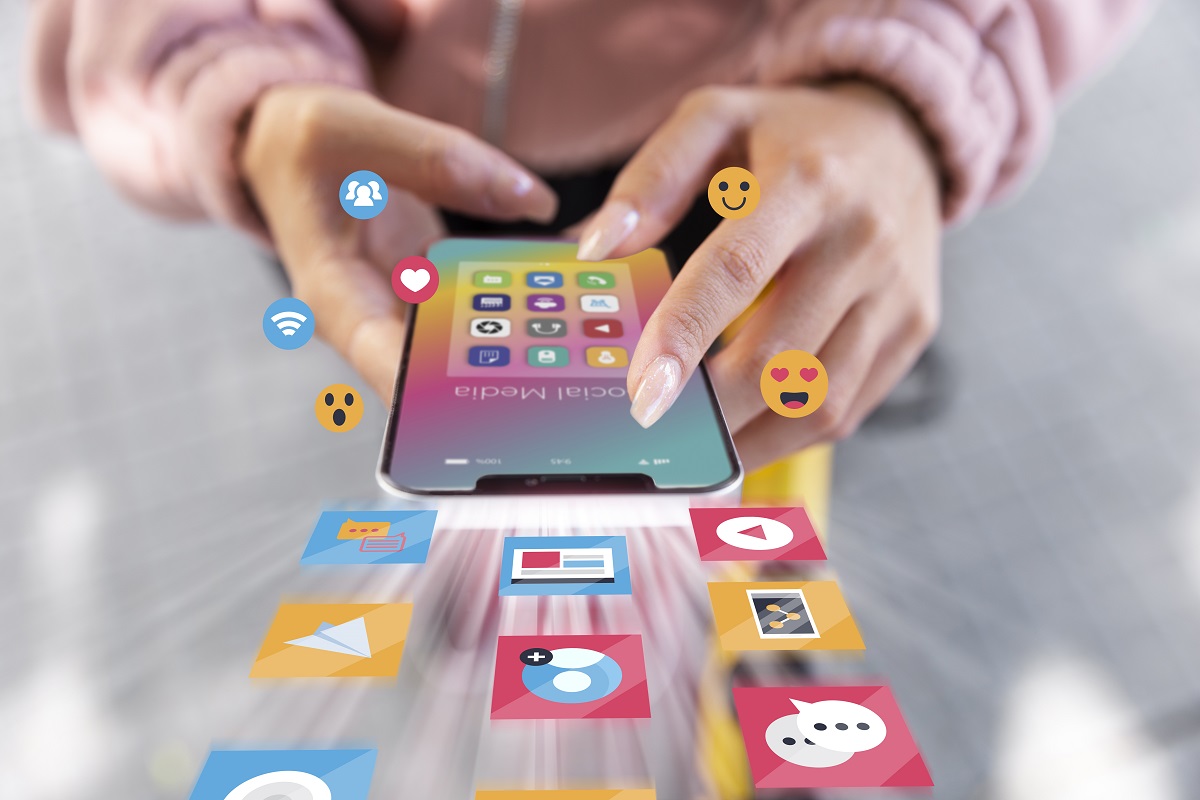
The video streaming industry is evolving rapidly, and artificial intelligence (AI) is at the heart of this transformation. AI redefines how audiences engage with digital content – from optimizing content delivery to personalizing user experiences and revolutionizing ad monetization. In this article, we will prospect how AI-powered solutions continuously enhance video streaming and maximize revenue opportunities for content providers.
AI in Video Content Delivery
1. Intelligent Streaming Optimization
One of the biggest challenges in video streaming is ensuring smooth playback regardless of network conditions. AI-driven adaptive bitrate streaming (ABR) algorithms analyze real-time bandwidth fluctuations and device capabilities, automatically adjusting video quality to prevent buffering and enhance viewing experiences.
2. Automated Content Tagging and Indexing
AI-based computer vision and natural language processing (NLP) technologies can analyze video frames, audio, and metadata to generate accurate content tags. This automation improves searchability and recommendation engines, making it easier for users to find relevant content while reducing manual effort for content creators.
These same language-AI advances also power AI dubbing and real-time video translation, letting platforms localize content for global audiences automatically.
3. Smart Encoding and Compression
AI-powered video compression techniques optimize file sizes without compromising quality. Machine learning algorithms analyze patterns in video content to apply dynamic encoding, significantly reducing storage and bandwidth costs for streaming platforms.
Personalized Recommendations and Viewer Engagement
- AI-Powered Content Recommendations
Streaming services like Netflix and Amazon Prime Video use machine learning algorithms, such as Matrix Factorization and Deep Neural Networks (e.g., Netflix Personalized Video Ranker) to analyze user behavior and suggest content. Spotify uses similar AI for music personalization, powered by Bandits for Recommendations as Treatments (BaRT). These systems reduce churn by delivering highly relevant recommendations based on real-time user data. - Sentiment Analysis and Viewer Insights
Platforms like YouTube and Twitch apply sentiment analysis tools (e.g., Google Cloud Natural Language API, MonkeyLearn) to parse comments, reactions, and chat logs. Netflix reportedly uses social listening tools to track the reception of new releases, feeding insights back into content strategy. This emotional feedback loop allows platforms to tailor future recommendations and optimize content development. - AI-Driven Interactive Experiences
Interactive storytelling examples include Netflix’s Bandersnatch, where viewer choices influence the narrative direction in real-time—powered by AI-driven scenario mapping. Moreover, tools like DeepBrain or ChatGPT-powered bots embedded in HBO Max or Prime Video apps enable real-time Q&A, recommendations, and engagement during live streams. Platforms like Twitch also utilize AI-enhanced moderation bots and audience-triggered content control for live shows.
AI in Advertising and Monetization
- Hyper-Targeted Ad Placemen
YouTube Ads, Roku, and Peacock use AI models to deliver contextually relevant ads by analyzing viewing history, content type, and device data. Meta and Google use deep learning–based audience segmentation to increase precision. Startups like IRIS.TV offers video-level targeting, integrating AI to deliver specific ads within particular scenes. - Dynamic Ad Insertion (DAI)
Services like Hulu and DAZN implement AI-powered DAI to seamlessly insert ads based on real-time user profiles. Google Ad Manager and Amazon Freevee use AI-driven decision engines to place ads during natural breaks without disrupting the viewer experience. Vendors like Yospace and SSAI (server-side ad insertion) platforms enhance this functionality at scale. - Fraud Detection in Ad Metrics
Platforms like DoubleVerify, Moat (by Oracle), and White Ops (now Human Security) use AI to identify bot traffic and flag abnormal patterns in ad impressions. These services protect advertisers from inflated metrics and uphold integrity in programmatic ad ecosystems—critical for giants like Disney+ and Paramount+, where ad-supported tiers depend on trustworthy data.
The Future of AI-Powered Video Streaming
The integration of AI in video streaming is only in its early stages. With advancements in generative AI, real-time deepfake technology, and AI-powered content creation, the future holds endless possibilities for personalized entertainment and revenue optimization. As AI continuously evolves, video streaming platforms that embrace intelligent automation and data-driven insights will stay ahead in the competitive digital landscape.
Are you looking to enhance your video streaming experience with AI-driven solutions? Trembit specializes in AI-powered video streaming innovations that boost user engagement and maximize monetization opportunities. Contact us today to explore the future of streaming with AI.