The video streaming market is booming at $106.83 billion in 2023, with a projected growth rate of 21.5% through 2030. Live streaming dominates with 62% of the market, though on-demand viewing is rapidly growing across all age groups. Today’s viewers crave quality video content for both entertainment and education.
In 2025, we’re seeing content creators leave platforms like YouTube for blockchain-based alternatives. Why? They want better monetization options, stronger copyright protection, and higher streaming quality. Blockchain technology is emerging as a solution that serves both creators and viewers.
What makes blockchain video streaming different? How are people using this technology in 2025? Let’s dive in.
What is blockchain video streaming?
Blockchain technology, famous for powering Bitcoin and other cryptocurrencies, has evolved far beyond digital money. Its secure, transparent ledger system is now transforming how video content is delivered and consumed.
Unlike traditional platforms like YouTube or Netflix that store content on centralized servers, blockchain video streaming uses peer-to-peer (P2P) technology. This means content travels directly between users rather than through a central point of control.
Here’s how blockchain streaming works:
- Content creators upload their videos to the network
- Videos are encrypted and stored across multiple locations using IPFS (InterPlanetary File System) — a distributed storage system
- The content is delivered through relay nodes, eliminating the need for expensive server infrastructure
- Smart contracts automatically handle transactions and content access
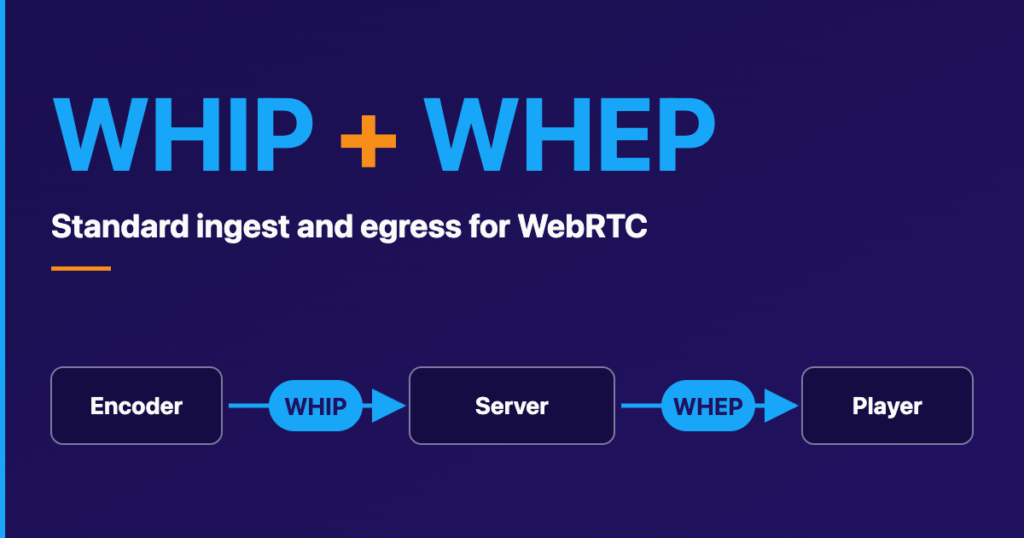
The technical process typically flows like this: First, video content is delivered to a media server via RTMP (Real-Time Messaging Protocol). Then, using protocols like IPFS and HLS (HTTP Live Streaming), the video is transcoded, encrypted, and securely delivered to viewers.
This decentralized approach creates a direct connection between creators and audiences, fundamentally changing the streaming ecosystem by removing centralized control and distribution bottlenecks.
Benefits of decentralized video streaming
Full Control Over Video Content
For Content Creators
- Complete Content Control
Creators maintain full ownership of their content on blockchain platforms. No more conforming to centralized platform restrictions or worrying about unexpected content removals. Your content stays up by your rules, not a platform’s changing policies.
- Enhanced Copyright Protection
Minting videos as NFTs gives creators verifiable ownership records. This blockchain verification makes it much harder for others to claim your work as their own. Your digital signature is permanently attached to your content.
- Transparent Revenue Generation
Smart contracts eliminate payment middlemen. When someone watches your content, you get paid directly and immediately. Most blockchain video streaming platforms take smaller cuts than traditional services, letting creators keep more of what they earn.

For Viewers
- Superior Streaming Quality
The P2P structure spreads video delivery across multiple points. This can reduce buffering and quality drops, especially during peak viewing times. More connection points often mean more stable streaming.
- Ad-Free Experience
Most blockchain streaming models replace ads with direct micro-payments. Viewers pay small amounts for exactly what they watch. No more interruptions from irrelevant advertisements.
- Enhanced Privacy
Decentralized platforms typically collect less personal data. Your viewing habits aren’t being packaged and sold to advertisers. Blockchain’s encryption adds extra privacy protection for sensitive content.
For the Ecosystem
- Tamper-Proof Content Storage
Once stored on the blockchain, content cannot be easily altered or removed. This helps preserve digital history and reduces censorship risks.
- Reduced Infrastructure Costs
Distributed storage across the network can lower operating costs. Instead of massive server farms, blockchain video streaming platforms use shared community resources.
- No Single Point of Failure
Unlike centralized platforms, blockchain streaming doesn’t rely on a single set of servers. With peer-to-peer transmission spread across many nodes, the system keeps running even if some parts fail. This load balancing across many participants makes the entire network more resilient against outages and attacks.
- Global Accessibility
Decentralized platforms often bypass traditional geographic restrictions. Creators can reach global audiences directly without complex international licensing agreements.
Traditional vs. Blockchain Streaming: Visual Comparison
|
Feature |
Traditional Streaming Platforms |
Blockchain Streaming Platforms |
|
Revenue Split |
30-55% to creators 45-70% to platform |
70-95% to creators 5-30% to platform |
|
Content Ownership |
Platform often claims certain rights Content can be removed at platform’s discretion |
Full creator ownership Verifiable through NFTs |
|
Geographic Restrictions |
Common region-blocking due to licensing agreements |
Typically worldwide availability without restrictions |
|
Storage Method |
Centralized servers owned by the company |
Distributed across network nodes (IPFS) |
|
Payment Timeline |
Monthly payouts with minimum thresholds |
Immediate or near-immediate payments |
|
Monetization Options |
Limited options set by platform (Ads, subscriptions, etc.) |
Multiple flexible options (Micro-transactions, tokenization, etc.) |
|
Censorship Approach |
Company policies and algorithms decide |
Community voting and governance |
|
Viewer Privacy |
Extensive data collection for advertising |
Minimal data collection, enhanced privacy |
|
Content Discovery |
Opaque algorithms favoring certain content |
Transparent algorithms with equal opportunity |
|
Infrastructure Costs |
High fixed costs for server farms |
Distributed costs across network participants |
|
Content Permanence |
Can be removed or altered |
Immutable once published |
|
Platform Vulnerability |
Single point of failure |
Resistant to outages and attacks |
|
Startup Barrier |
High initial investment |
Lower entry costs through shared resources |
|
Payment Methods |
Traditional (credit cards, PayPal) |
Cryptocurrency plus traditional options |
|
Content Verification |
Limited tools to verify authenticity |
Built-in verification through blockchain |
10 Rising Trends in Blockchain Video Streaming
Blockchain video streaming is rapidly evolving with innovative features that address the limitations of traditional platforms. Here are the top trends shaping this industry in 2025:
1. Advanced yet Familiar UI/UX
Blockchain video streaming platforms design interfaces that feel familiar to users. Most include features you already know from YouTube — like popular videos sections, subscriptions, and favorites lists. This familiar design helps new users navigate easily while still enjoying blockchain benefits.
2. Community-Driven Content Moderation
Instead of strict company censors, blockchain video streaming platforms use democratic systems. Users vote on content with “for” and “against” options. This approach balances creative freedom with community standards. The power stays with viewers who decide what content should remain available.
3. Flexible Monetization Models
Blockchain enables creators to earn money in several ways:
- Transactional on-demand streaming where viewers pay for individual videos
- Ad-based models for free content with advertising
- Live broadcast events without ads for a premium fee
- Subscription-based services for regular viewers
- Flexible payment plans that let viewers customize their experience
This variety helps creators reach wider audiences and build loyal fan bases.
4. Encrypted Distributed Storage
Security is a major reason people choose blockchain streaming. The system encrypts all videos and stores them across a network of computers. This approach uses orchestrator nodes and IPFS swarm technology to keep content safe while ensuring the distribution process stays transparent.
5. NFT-Based Content Ownership
Creators can easily turn videos into NFT tokens — digital files with unique identities. These digital certificates prove who made the content, who owns it, and confirm it’s original. This solves the problem of verifying ownership and makes buying and selling digital content much simpler.
6. Smart Contract Automation
Smart contracts handle business relationships between creators and viewers automatically. Unlike centralized services where everything goes through middlemen, these contracts directly manage licensing, payments, and rights. This prevents piracy and makes small payments easier to process.
7. Fair Discovery Algorithms
Blockchain video streaming platforms use fair algorithms that don’t favor certain creators. Unlike YouTube’s hidden systems that decide which videos reach the front page, blockchain platforms promote all streamers equally. This gives everyone a fair chance to find an audience.
8. User Participation Rewards
Platforms reward active users with cryptocurrency. When viewers comment, write reviews, or rate videos, they earn small amounts of crypto. This system benefits everyone – users earn rewards while helping promote content they enjoy.
9. Privacy-Focused Geolocation Features
Some platforms let users find streams based on location while protecting privacy. Similar to Facebook’s Live Map or Twitter’s Periscope, this feature shows streams from around the world based on general geography. It connects users to local content without revealing exact locations.
10. Decentralized Content Delivery Networks
Video platforms need massive storage space for all their content. Blockchain-based delivery networks use unused storage from users around the world. People who share their extra disk space receive crypto rewards. This system creates a worldwide network that delivers videos efficiently.
These trends show how blockchain technology is fixing long-standing problems in video streaming while creating new opportunities for both creators and viewers.
How Trembit Can Support Your Video Streaming Projects
Looking to jump into the streaming revolution? The Trembit team’s experience in live streaming app development helps craft tech solutions that wow audiences and help businesses thrive.
What We Bring to the Table
Custom Streaming Platforms
We build streaming platforms that don’t buffer or freeze when viewers need them most. Our systems deliver crystal-clear video that works everywhere — perfect for reaching today’s demanding audiences.
Tech Detective Work
Our team keeps an eye on what’s next in streaming. We spot trends like blockchain early and help you figure out if they’re right for your business. No buzzword chasing—just smart tech choices.
Apps That People Actually Use
From web players to mobile apps, we create streaming experiences that feel natural. Whether you’re watching on a phone during a commute or on a laptop at home, our interfaces just make sense.
Bug Hunters
Our testing team is relentless. They break things so your viewers never experience crashes. When your platform goes live, it’s ready for prime time.
Designs That Click
Complex tech should feel simple. Our designers create interfaces that make advanced features feel intuitive — essential when introducing viewers to new concepts like blockchain streaming.
What Makes Our Streaming Solutions Different
- Smooth Viewing: Video that adapts to viewers’ connection speeds automatically
- Serious Security: Content protection that keeps your videos in the right hands
- Works Everywhere: Consistent performance across phones, tablets, and computers
- Handles Growth: Systems designed to grow alongside your audience
- Your Brand Shines Through: Platforms that showcase your identity, not ours
What’s Next for Video Streaming?
Blockchain streaming is shaking things up. If you want to go one layer deeper into the architecture side, read our guide to building decentralized video streaming solutions. It gives creators more control, better pay, and real connections with fans. It’s tackling problems that have frustrated content makers for years.
Can these new platforms topple giants like YouTube or Netflix today? Not yet. But the benefits are too good to ignore. Many viewers and creators are already making the switch. In time, we might look back at centralized platforms the way we now view flip phones — fondly, but glad we’ve moved on.
The technology is getting better every day. The question isn’t if blockchain will change streaming, but when you’ll be part of it.
Ready to Explore What’s Possible?
Got questions about advanced streaming solutions? Trembit’s team loves talking tech and turning ideas into reality.
Drop us a line — let’s create something amazing together.