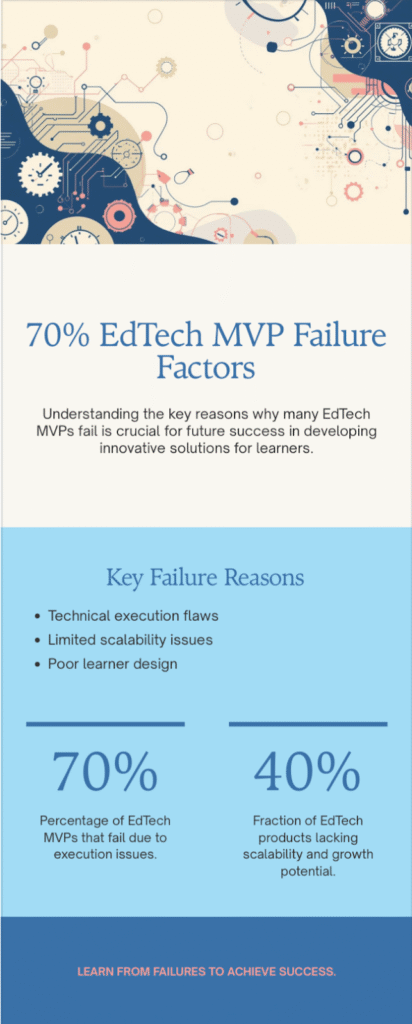
The EdTech industry is evolving at lightning speed, driven by artificial intelligence that makes learning more personalized, adaptive, and measurable than ever before. Yet, despite the innovation, nearly 70% of early-stage EdTech products fail after the pilot phase.
Why? Because visionary ideas often fall short when it comes to technical execution, scalability, and learner-centric design.
Building a successful AI-enhanced learning platform requires more than just coding — it demands a strategic blueprint, a data-driven mindset, and the right technology partner.
At Trembit, we specialize in helping startups and enterprises transform educational visions into market-ready AI learning products — from the first MVP to full-scale platform deployment.
Why Most EdTech MVPs Struggle — and How to Avoid It
Research and case studies reveal recurring challenges in early EdTech launches:
- Overbuilt backends inflate costs and delay release.
- Limited learner insights result in static, non-adaptive user experiences.
- Poor scalability prevents successful pilots from evolving into long-term solutions.
AI, when implemented strategically, helps minimize these risks by automating personalization, content curation, and learner support. However, when applied haphazardly, it can increase complexity and inflate development costs.
Partnering with experienced AI engineers like Trembit ensures your MVP is laser-focused on what matters most — validating learning outcomes through smart, manageable AI integration.
Defining MVP Goals That Drive Real Learning Impact
An MVP (Minimum Viable Product) in EdTech isn’t about launching a full-featured platform — it’s about testing hypotheses that prove educational value.
At Trembit, we help you identify the smallest, most impactful features that demonstrate your product’s potential.
Here’s a simple framework for defining your MVP scope:
| MVP Goal | Key Features | Metrics to Track |
| Engagement | Gamified challenges, adaptive onboarding | Session duration, repeat visits |
| Knowledge Retention | AI-driven adaptive content delivery | Quiz accuracy, learning progress |
| Learner Support | AI chatbots, peer learning suggestions | Query resolution rate, satisfaction scores |
This approach helps founders focus on measurable learning outcomes rather than unnecessary features — saving both time and budget.
Trembit’s Step-by-Step Technical Blueprint
1. Core Architecture: Modular, Secure, and Scalable
A solid foundation starts with a modular backend that separates user management, content delivery, and analytics.
By adopting an API-first architecture, your platform remains flexible for future integrations — whether adding new learning tools, AI engines, or external LMS systems.
Data protection and compliance are critical. Trembit ensures your platform meets global standards, such as:
- GDPR — for European learner data privacy
- FERPA — for protecting student records in the U.S.
With these frameworks in place from the start, you avoid costly compliance retrofits later.
2. Frontend & UX: Designing for Engagement and Accessibility
In EdTech, UX is everything. A learner’s first few minutes on your platform determine whether they stay or leave.
We design interfaces that are:
- Mobile-first and accessible (WCAG-compliant)
- Intuitive and frictionless, reducing onboarding barriers
- Motivating, using gamification like badges, progress bars, and achievements
Trembit’s UI/UX experts craft inclusive, globally relevant experiences that drive learner engagement and retention.
3. Smart AI Feature Integration: Start Small, Scale Intelligently
AI is the heart of modern learning platforms — but not all AI is created equal.
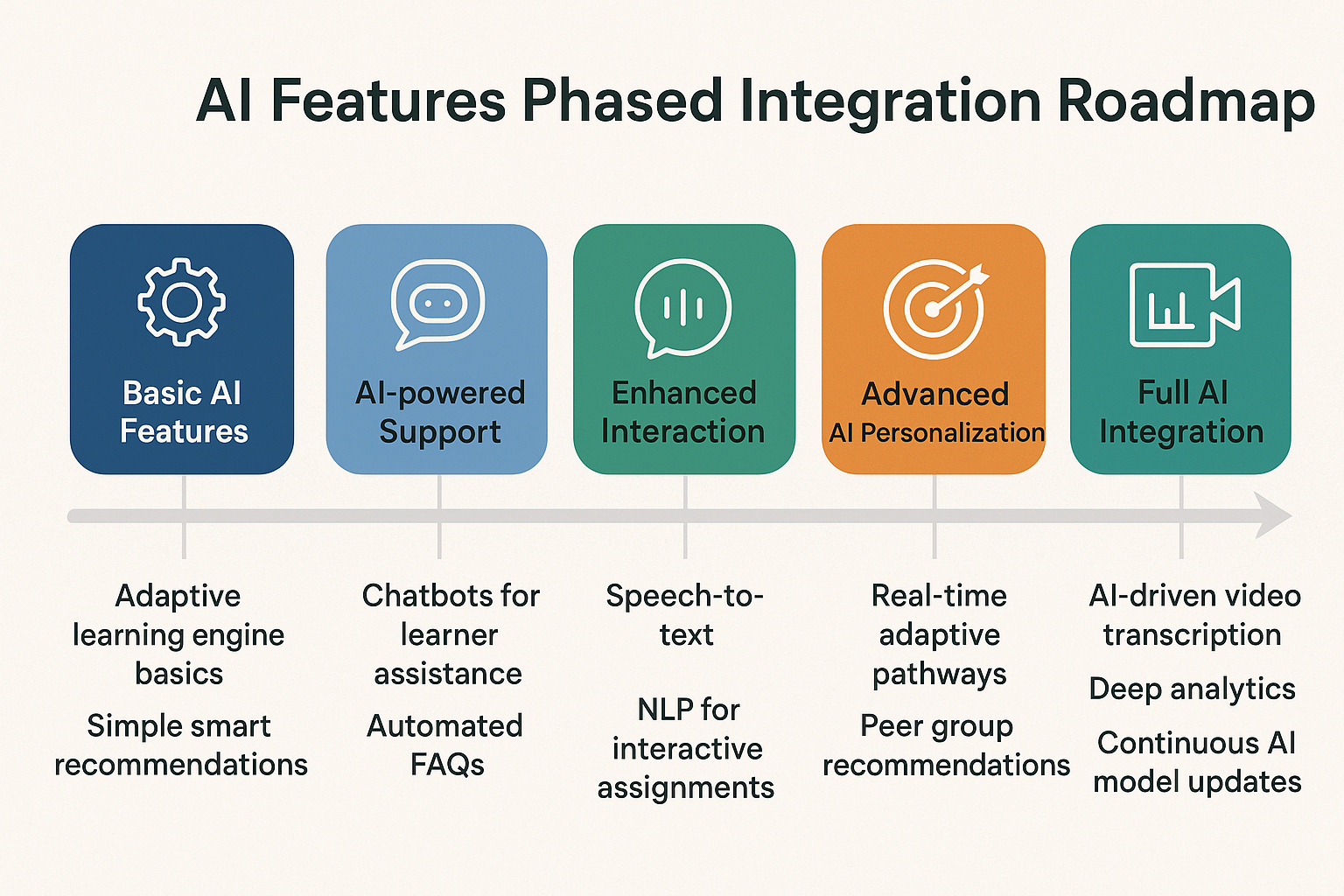
Start with foundational AI capabilities that add clear MVP value:
- Adaptive learning engines that personalize progress
- Recommendation systems that suggest content or peers
- Conversational chatbots that tutor and support learners
- NLP and speech-to-text for interactive assignments
Trembit recommends phased AI integration, ensuring each feature delivers tangible benefits to learners before adding further complexity.
4. Real-Time Learning: Video and Interaction
Video remains a key driver of engagement in e-learning. Trembit integrates:
- Low-latency streaming via WebRTC or HLS
- AI transcription and search for accessibility
- Interactive live tools like polls, chat, and whiteboards
Our team ensures real-time learning environments are stable, scalable, and engaging, supporting everything from 1:1 tutoring to large virtual classrooms.
5. Data & Analytics: Turning Insights into Continuous Improvement
The true value of your MVP lies in data-driven iteration.
Trembit builds analytics dashboards that track:
- Learner engagement and progress
- Course completion and retention rates
- Correlations between behavior and outcomes
These insights empower you to refine your product roadmap, prioritize new features, and attract investors with proven metrics of success.
Build Smart, Scale Smoothly
A successful AI learning platform grows through agile sprints, iterative releases, and smart scaling.
Leveraging cloud infrastructure from AWS, Azure, or Google Cloud, Trembit ensures:
- Elastic scalability as user demand grows
- Continuous AI model retraining and performance monitoring
- High availability with global reliability standards
Our engineering teams design robust pipelines that keep your platform adaptive, secure, and cost-efficient as you scale.
2025 Benchmarks: Cost & Timeline for MVP Development
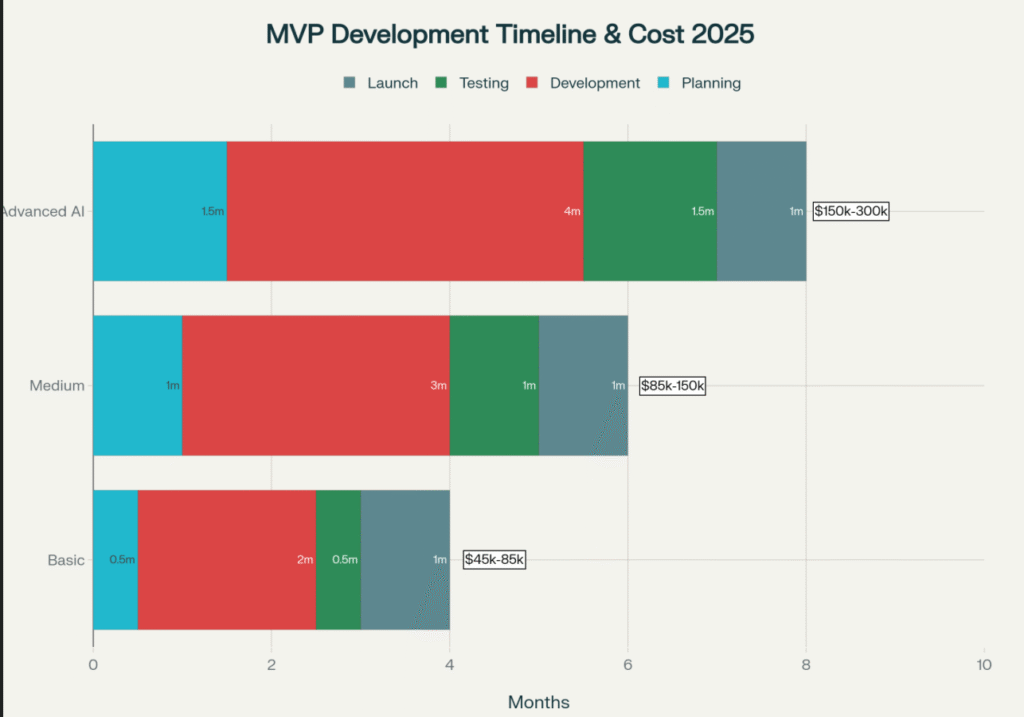
| Complexity Level | Estimated Cost (USD) | Timeline (Months) |
| Basic MVP | $45,000 – $85,000 | 3 – 4 |
| Medium Complexity | $85,000 – $150,000 | 4 – 6 |
| Advanced AI-Driven Platform | $150,000+ | 6+ |
Tips to control costs and speed up delivery:
- Use modular, reusable codebases.
- Outsource selective AI components.
- Prioritize high-impact features over volume.
Trembit’s proven frameworks and agile workflows help clients strike a balance between innovation and financial discipline.
From MVP to Market Leader
Launching your MVP is just the beginning. The real growth happens in the measure → optimize → scale cycle.
Post-launch, our teams help you:
- Refine AI models for higher personalization.
- Evolve UX based on user feedback.
- Expand feature sets aligned with engagement metrics.
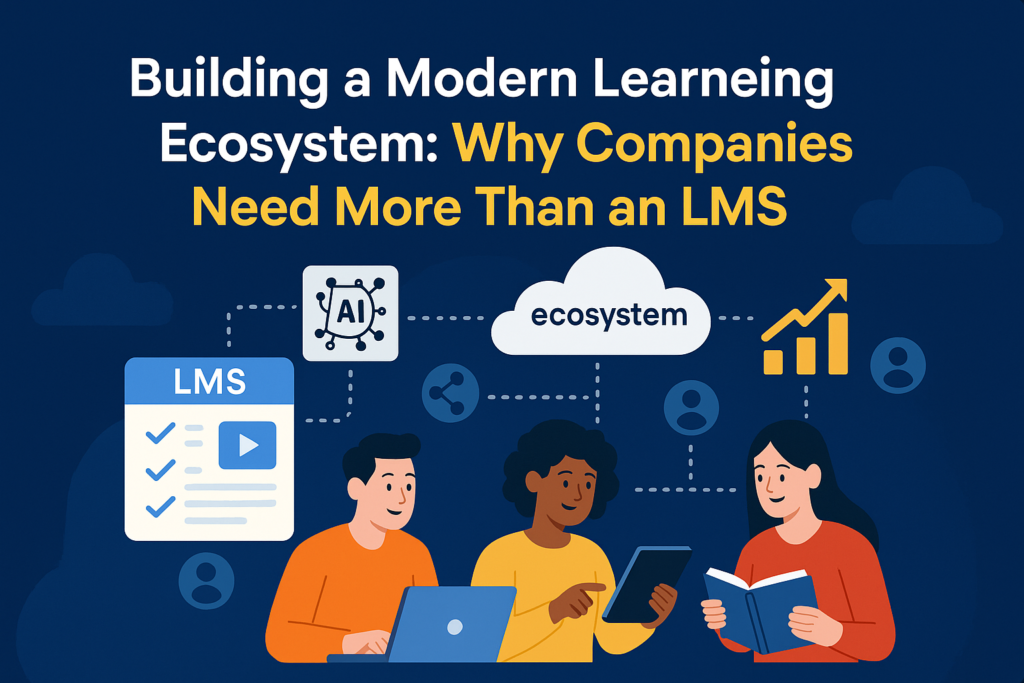
With Trembit as your partner, you’re not just building an e-learning product — you’re creating a scalable, data-driven learning ecosystem that grows alongside your learners and your vision.
Ready to turn your EdTech vision into a market-ready AI platform?
Let’s build a learning experience that’s personalized, measurable, and future-proof — together.