What is WebRTC and why it matter for businesses
In today’s fast-paced business world, real-time communication is more important than ever. Enter WebRTC (Web Real-Time Communication), a powerful technology that’s revolutionizing how we connect online. Whether you’re considering video conferencing solutions, customer support chat systems, or interactive collaboration tools, understanding WebRTC is important for making informed decisions about your company’s communication infrastructure. As WebRTC solutions become more prevalent, businesses are increasingly looking to hire WebRTC developers to implement this cutting-edge technology.
The basics of WebRTC connections
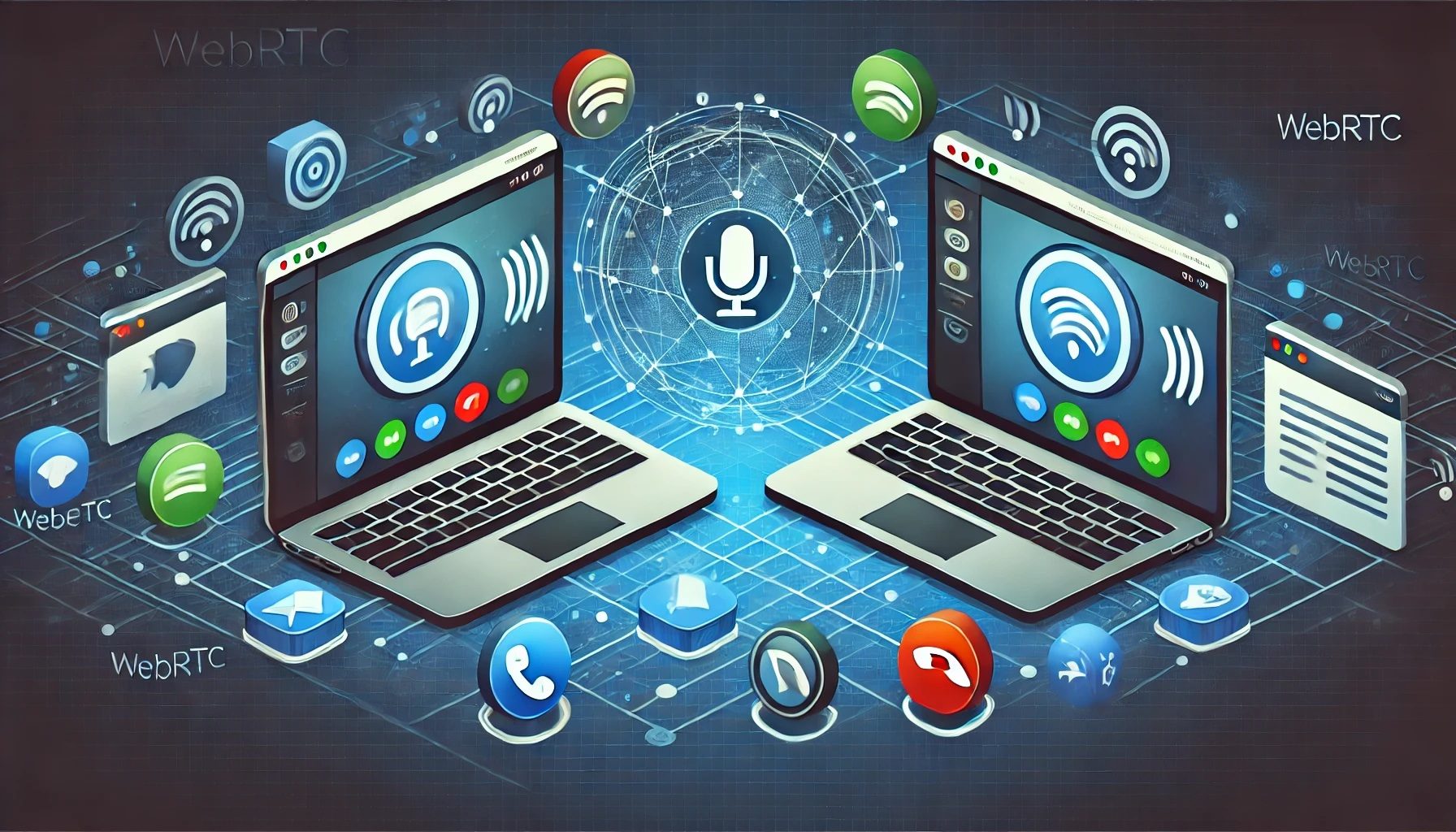
At its core, WebRTC allows direct, peer-to-peer communication between web browsers or apps without the need for plugins or additional software. This means faster, more secure connections for voice, video, and data transfer. WebRTC development involves a process that might seem complex at first, but is essential for ensuring smooth, reliable communication in WebRTC applications.
Signaling: How devices find each other
Imagine you’re trying to meet a colleague in a crowded city. You both have phones, but you don’t know each other’s exact location. You’d need to exchange messages to coordinate your meetup. In the world of WebRTC, this process is called “signaling.”
Signaling helps WebRTC-enabled devices find and connect to each other. It’s the initial handshake that allows devices to:
- Exchange contact information
- Agree on the types of media to be shared (audio, video, or data)
- Coordinate the technical details of the connection
While WebRTC doesn’t specify a particular signaling method, WebRTC developers often use websockets or HTTP requests to a server that relays messages between the connecting parties.

STUN servers: Discovering your public address
Now that our devices know they want to connect, they face another challenge: figuring out how they appear to the outside world. This is where STUN (Session Traversal Utilities for NAT) servers come in.
Think of a STUN server as a mirror that shows you how the internet sees your device. When your device contacts a STUN server, it receives information about its public IP address and port. This is crucial because many devices are behind firewalls or Network Address Translation (NAT) systems, which can mask their true network address.
By using a STUN server, your device can tell its potential communication partner, “Hey, here’s where you can reach me on the public internet.” This is a key component in WebRTC application development.

TURN servers: Overcoming network obstacles
Sometimes, despite our best efforts, direct connections aren’t possible. Firewalls or complex network setups can prevent peer-to-peer communication. This is where TURN (Traversal Using Relays around NAT) servers save the day.
A TURN server acts as an intermediary, relaying data between the communicating parties when a direct connection isn’t possible. It’s like a trusted courier service that ensures your message gets delivered, even when the usual routes are blocked.
While using a TURN server can introduce some latency, it’s an essential fallback that ensures WebRTC connections can be established even in challenging network environments. WebRTC experts often emphasize the importance of properly configured TURN servers for reliable application performance.
Putting it all together: The WebRTC connection process
Now that we understand the individual components, let’s walk through the typical WebRTC connection process:
- Signaling: Both parties exchange contact and media information through a signaling server.
- ICE (Interactive Connectivity Establishment): This process uses STUN and TURN servers to determine the best way to connect.
- STUN: Devices discover their public IP addresses and ports.
- TURN: If direct connection isn’t possible, TURN servers are used as a fallback.
- Direct connection: Once the best path is established, devices connect directly (or through TURN if necessary).
- Media exchange: Audio, video, or data can now flow between the connected parties.
This process happens quickly and automatically, providing users with a seamless experience. WebRTC development companies specialize in optimizing this process for various use cases.
Business benefits of understanding WebRTC setup
While the technical details might seem complex, understanding the basics of WebRTC setup offers several advantages for businesses:
- Informed decision-making: When choosing communication solutions, you’ll better understand what WebRTC providers are offering and what infrastructure you might need.
- Cost optimization: Knowing when TURN servers are necessary can help you allocate resources efficiently, potentially reducing costs.
- Troubleshooting: Basic knowledge of the connection process can help you or your IT team identify and resolve issues more quickly.
- Security awareness: Understanding how connections are established helps you assess and enhance the security of your communications.
- Innovation opportunities: With a grasp of WebRTC basics, you might spot new ways to improve customer service or internal collaboration.
Conclusion
WebRTC technology is transforming online communication, offering businesses new ways to connect with customers and employees. While the technology behind it may seem complex, understanding the basics of signaling, STUN, and TURN servers empowers you to make informed decisions about your communication infrastructure.
As you explore WebRTC solutions for your business, remember that the goal of this technology is to provide seamless, real-time communication. The technical processes we’ve discussed work behind the scenes to create connections that are as simple and natural as having a conversation in the same room.
By grasping these fundamentals, you’re better equipped to leverage WebRTC’s potential, ensuring your business stays at the forefront of communication technology in our increasingly connected world. Whether you’re looking to hire WebRTC developers or partner with a WebRTC development company, this knowledge will help you make informed decisions and get the most out of your WebRTC applications.
Ready to harness the power of WebRTC for your business? We invite you to consider how this technology can transform your communication strategies. Whether you’re looking to enhance customer engagement, streamline internal collaboration, or develop innovative real-time applications, WebRTC offers exciting possibilities.
At Trembit.com, we specialize in crafting WebRTC solutions tailored to your unique business needs. Our team of experts is here to guide you through the implementation process, ensuring you maximize the benefits of this powerful technology.
We’d love to hear your thoughts on WebRTC and its potential impact on your business. Share your comments below or reach out to us directly to explore how we can support your WebRTC initiatives. Let’s collaborate to create cutting-edge communication solutions that drive your business forward.
Contact us today to start your WebRTC journey and stay ahead in the world of real-time communication!