Telehealth

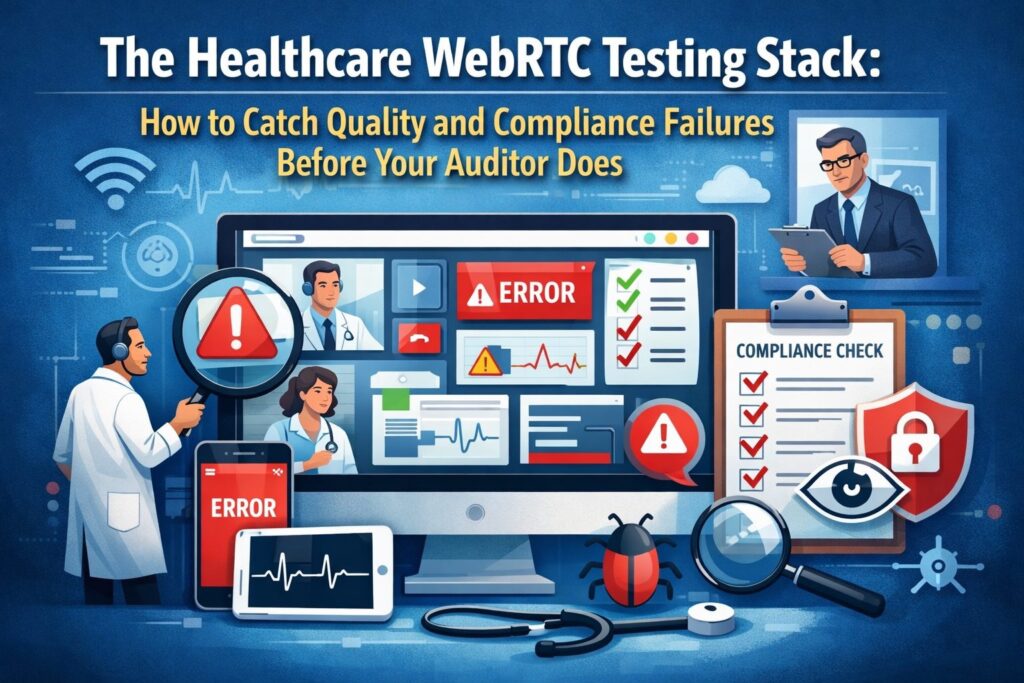
The Healthcare WebRTC Testing Stack: How to Catch Quality and Compliance Failures Before Your Auditor Does

The Healthcare WebRTC Testing Stack: How to Catch Quality and Compliance Failures Before Your Auditor Does

Most WebRTC testing content covers one problem: Does the call work? Functional tests, load tests, and network simulation — the engineering discipline of verifying that audio and video flow reliably between participants. In healthcare, that’s half the job. The other half is compliance: does the call handle PHI correctly? Does your recording pipeline store data […]

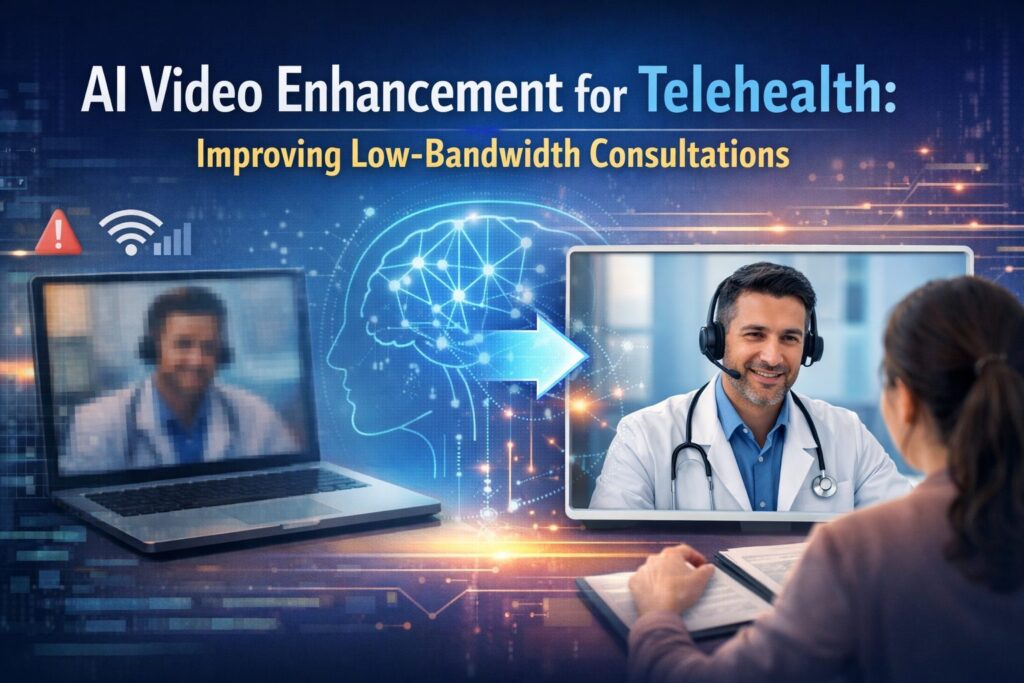
AI Video Enhancement for Telehealth: Improving Low-Bandwidth Consultations

AI Video Enhancement for Telehealth: Improving Low-Bandwidth Consultations

Telehealth has become a cornerstone of modern healthcare delivery. Since the pandemic accelerated its adoption, millions of patients worldwide now rely on video consultations for everything from routine check-ups to specialist referrals. Yet one persistent challenge continues to undermine the quality of these interactions: poor video quality caused by low or unstable internet connections. Pixelated […]

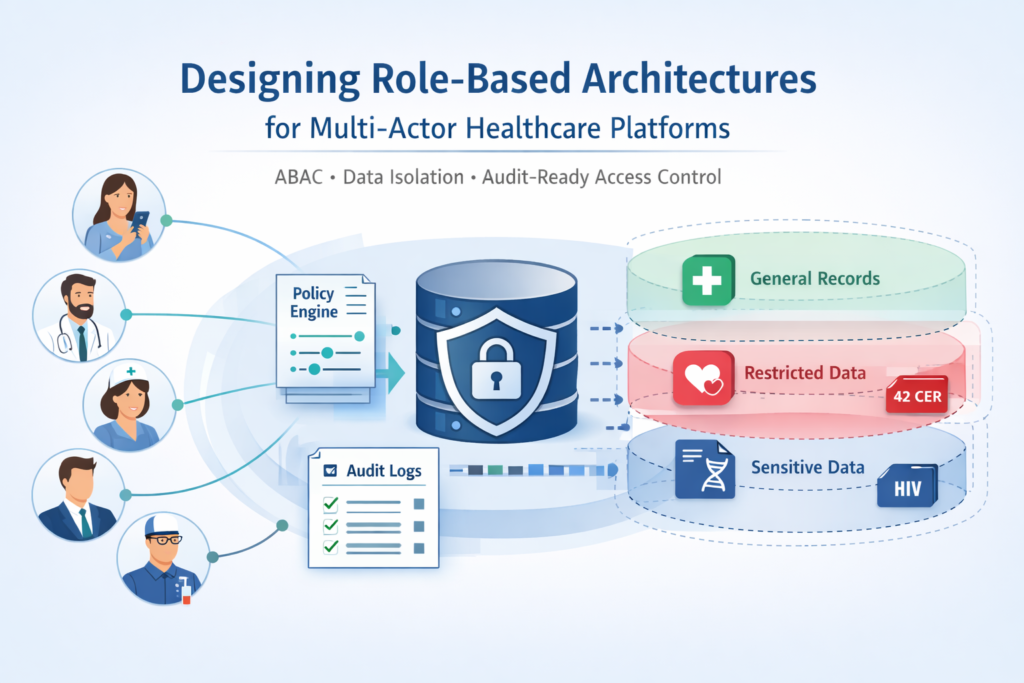
How to Design Role-Based Access for Healthcare Platforms

How to Design Role-Based Access for Healthcare Platforms

Healthcare platforms operate in a uniquely complex permission landscape. A single patient record might be accessed by the patient themselves, their primary care physician, a consulting specialist, a nurse coordinator, billing staff, quality assurance reviewers, external lab technicians, insurance verifiers, and platform administrators — each with legitimate but dramatically different access needs. Traditional role-based access […]

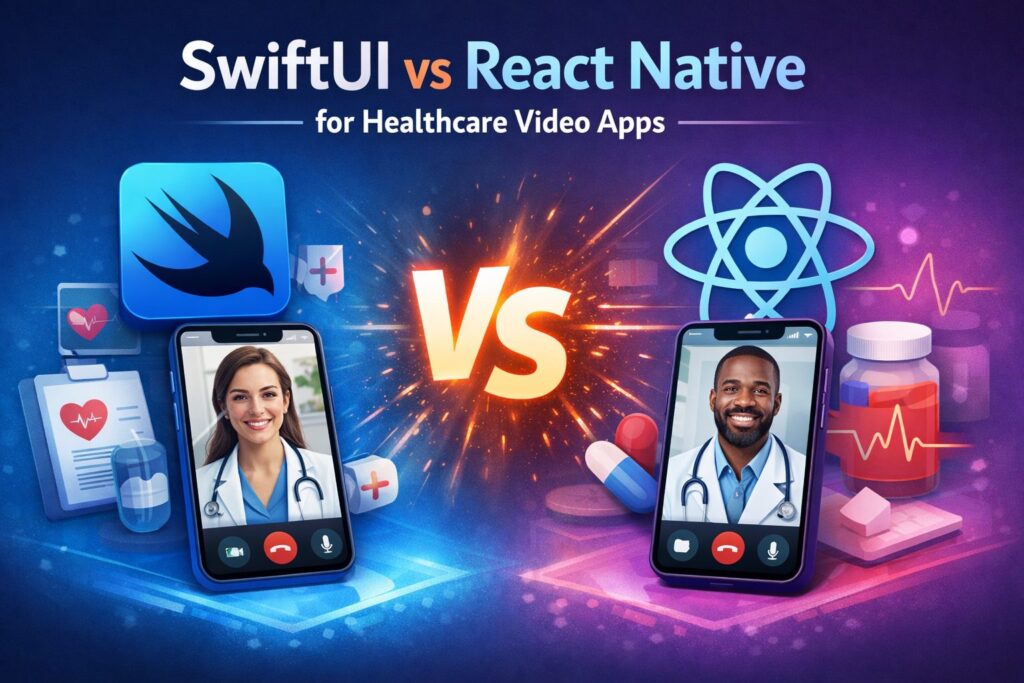
SwiftUI vs React Native for Healthcare Video Apps

SwiftUI vs React Native for Healthcare Video Apps

Choosing the right mobile framework for a healthcare video application is one of the most consequential technical decisions your product team will make. Get it right, and you have a stable, performant foundation that can support live video consultations, real-time diagnostics, and strict compliance requirements for years. Get it wrong, and you face costly rewrites, […]

Real-Time Medical Translation for Live Clinical Video Calls

Real-Time Medical Translation for Live Clinical Video Calls

Language barriers in healthcare aren’t a niche problem. More than 25 million people in the United States have limited English proficiency, and research consistently shows that patients who can’t communicate fluently with their providers experience worse outcomes, more medical errors, and significantly lower satisfaction with their care. In telehealth, where the entire clinical relationship runs […]

Emotion Detection in Telehealth Calls: Useful or Hype?

Emotion Detection in Telehealth Calls: Useful or Hype?

Artificial intelligence that can read a patient’s emotional state during a telehealth consultation sounds either like a breakthrough or a surveillance concern, depending on who you ask. Proponents describe a near future where AI assistants flag signs of depression before a clinician notices them, alert providers to patient distress in real time, and generate post-consultation […]

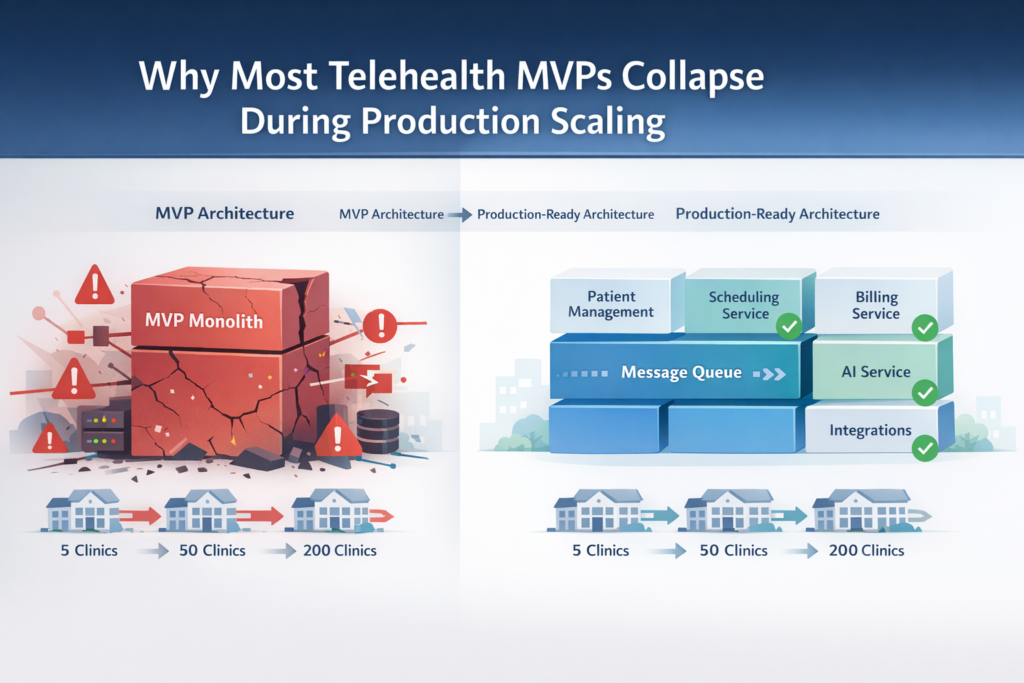
Why Most Telehealth MVPs Collapse During Production Scaling (And How to Architect for Phase 2)

Why Most Telehealth MVPs Collapse During Production Scaling (And How to Architect for Phase 2)

CTOs fear re-architecting 12 months later. Here’s how to avoid that nightmare. Your telehealth MVP just landed its first enterprise contract. Five pilot clinics become fifty. Then two hundred. Somewhere between clinic 30 and clinic 75, everything starts breaking. Patient intake forms time out. Video sessions drop randomly. The database maxes out connections at 2 […]

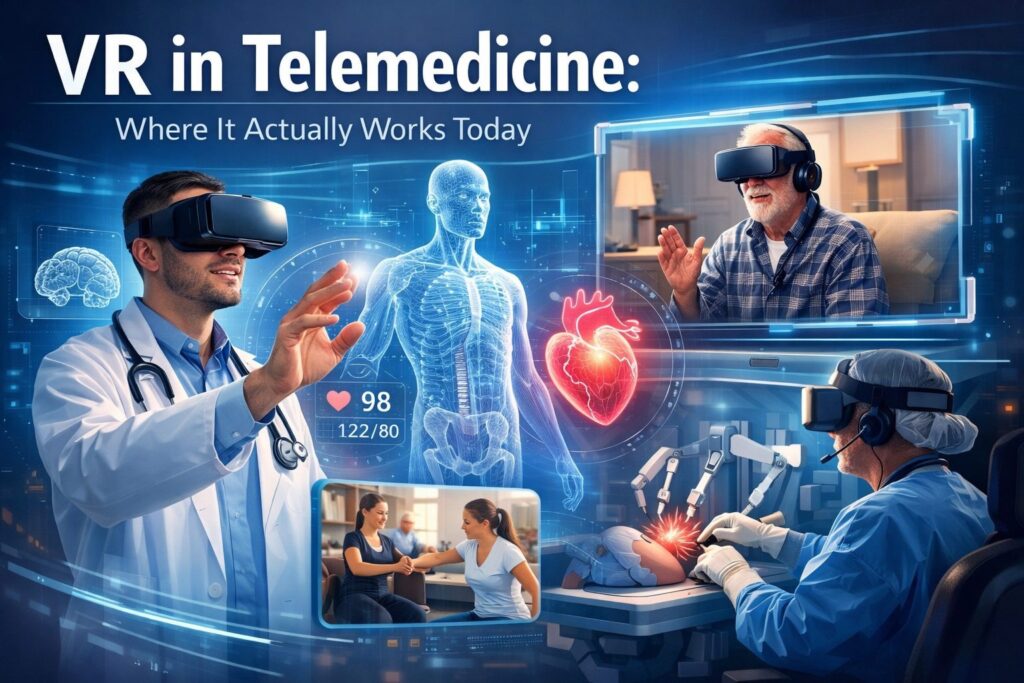
VR in Telemedicine: Where It Actually Works Today

VR in Telemedicine: Where It Actually Works Today

Virtual reality has been described as the future of medicine for nearly a decade. The pitches are compelling: immersive surgical simulations, VR-assisted pain management, remote consultations so lifelike they rival an in-person visit. The reality, as with most emerging technology in healthcare, is more nuanced. VR is not the future of telemedicine. In specific, well-defined […]

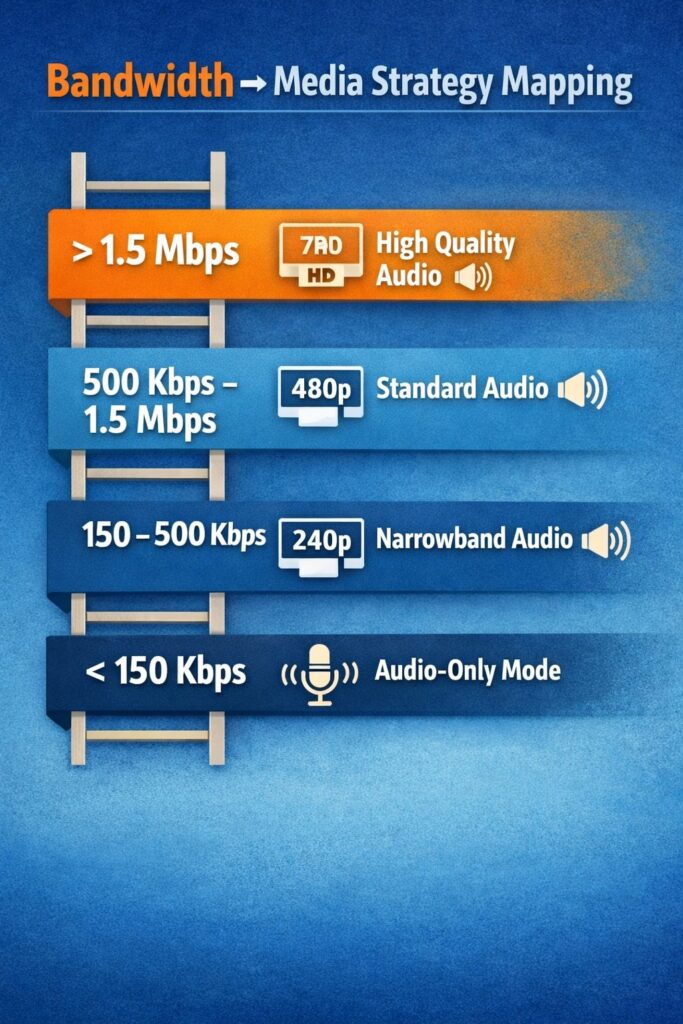
WebRTC for Rural Telemedicine: Low-Bandwidth Architecture Patterns

WebRTC for Rural Telemedicine: Low-Bandwidth Architecture Patterns

How to design real-time video consultation systems that work reliably under constrained network conditions Reliable internet connectivity is a luxury that many rural and remote communities often lack. Yet, these are often the populations with the greatest need for healthcare access — individuals who may have to travel hours to reach the nearest clinic. Telemedicine […]

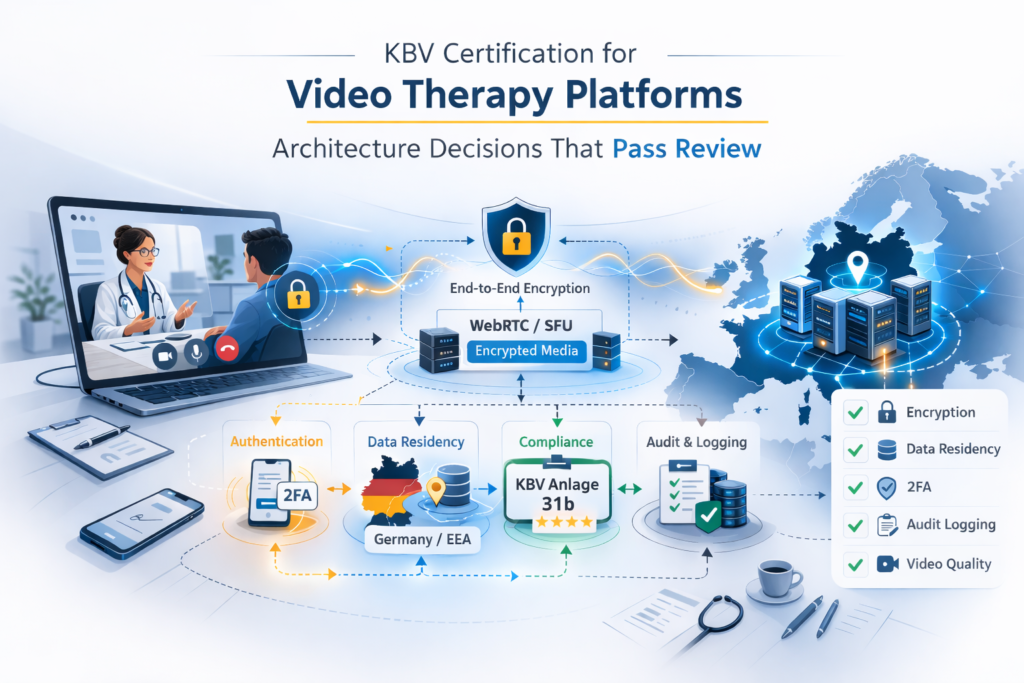
HIPAA-Grade Telehealth: From MVP to Audit-Ready – 2026

HIPAA-Grade Telehealth: From MVP to Audit-Ready – 2026

Many platforms claim ‘HIPAA-compliant.’ Very few are audit-ready. The telehealth market has exploded. By 2026, platforms face a fundamental credibility problem: everyone claims HIPAA compliance, but when regulators come knocking, or breaches occur, the difference between documentation theater and audit-ready infrastructure becomes brutally apparent. A checkbox on a security questionnaire and genuine regulatory readiness are […]

Telehealth Security Compliance: HIPAA, GDPR & PIPEDA

Telehealth Security Compliance: HIPAA, GDPR & PIPEDA

Telehealth has moved from a “nice-to-have” innovation to a core component of modern healthcare delivery. Patients now expect remote consultations, secure video calls, and seamless access to their medical data — without compromising privacy or safety. For healthcare providers and digital health startups, this creates a critical challenge: how to scale telehealth solutions while maintaining […]

Why Telemedicine MVPs Fail — And How to Fix It

Why Telemedicine MVPs Fail — And How to Fix It

Telemedicine MVPs frequently collapse after launch — not because the idea is weak, but because the underlying architecture can’t support real-world healthcare demands. Scalability gaps, poor interoperability, and compliance blind spots drive high churn, provider abandonment, and investor hesitation. Industry data shows that up to 80% of telehealth MVPs fail within the first year when […]

Practical AI Use Cases Transforming Telemedicine

Practical AI Use Cases Transforming Telemedicine

Artificial intelligence has become one of the most discussed technologies in healthcare. Yet for many telemedicine providers, the real challenge is not whether to use AI — but how to apply it in ways that create measurable value for patients, clinicians, and the business itself. Successful AI adoption in telemedicine is not about futuristic promises […]

How to Scale Telemedicine Engineering Teams Without Delays

How to Scale Telemedicine Engineering Teams Without Delays

Telemedicine platforms demand rapid scaling to handle surging patient volumes, but overloaded internal teams often lead to delays in feature delivery and compliance risks. CTOs face the constant pain of balancing core development with urgent fixes, making strategic team expansion essential for sustainable growth. Trembit emerges as a reliable partner, delivering scalable WebRTC-based telemedicine solutions […]

Telehealth Platforms: Legacy to Cloud-Native Architecture 2026

Telehealth Platforms: Legacy to Cloud-Native Architecture 2026

Telehealth has become a cornerstone of modern healthcare, but many platforms still rely on legacy monoliths or fragile WebRTC setups. In 2026, these outdated architectures struggle to meet the demands of scalability, security, and seamless integration. Modernizing to cloud-native architectures isn’t just a technical upgrade — it’s a strategic move to deliver better patient experiences, […]

How to Achieve Low Latency and High Stability in Telehealth Video Calls (Real Engineering Techniques)

How to Achieve Low Latency and High Stability in Telehealth Video Calls (Real Engineering Techniques)

Telehealth video calls almost always struggle with quality — freezes, audio delays, dropped sessions, and blurry video frustrate both patients and providers. This is not a UX issue; it is a real-time systems engineering challenge. Achieving sub‑150 ms latency and carrier‑grade stability in telemedicine requires deep WebRTC expertise, careful network design, and continuous monitoring. This […]

A CTO’s Guide to EHR/EMR and FHIR Integrations: Costs, Timelines, Architecture Patterns

A CTO’s Guide to EHR/EMR and FHIR Integrations: Costs, Timelines, Architecture Patterns

Integrating Electronic Health Records (EHR) and Electronic Medical Records (EMR) systems via FHIR standards stands as the most complex challenge in telehealth development, often blocking project timelines and inflating costs. This guide equips CTOs with essential insights on costs, timelines, and architecture patterns to mitigate risks and ensure seamless interoperability. Trembit, a trusted technology partner […]

Designing HIPAA-Compliant Telemedicine Architectures: A Technical Blueprint for 2026

Designing HIPAA-Compliant Telemedicine Architectures: A Technical Blueprint for 2026

As telemedicine redefines healthcare delivery in 2026, it is critical to design architectures that are HIPAA-compliant from the start, safeguarding patient data against new cyber threats and regulatory pressures. For CTOs, compliance is a top concern due to severe financial, legal, and reputational risks, making it imperative to build correctly at the outset. Trembit specializes […]

The Hidden Technical Pitfalls That Slow Down Telemedicine Platforms — and How to Avoid Them in 2026

The Hidden Technical Pitfalls That Slow Down Telemedicine Platforms — and How to Avoid Them in 2026

Telemedicine platforms power modern remote healthcare — but beneath smooth user interfaces lie systemic technical weaknesses that slow down performance, increase operational costs, and put compliance at risk. CTOs facing integration gaps, video latency, and security vulnerabilities often struggle because these issues are deeply architectural, not superficial. This article highlights the hidden pitfalls and offers […]

Building HIPAA-Compliant Video Consultations with WebRTC and LiveKit

Building HIPAA-Compliant Video Consultations with WebRTC and LiveKit

Delivering secure, real-time video consultations has become a cornerstone of modern telemedicine. As healthcare providers expand their digital services, ensuring HIPAA compliance — especially when transmitting sensitive patient information — has never been more crucial. By combining WebRTC’s secure communication capabilities with LiveKit’s scalable infrastructure, healthcare organizations can build high-quality video consultation platforms that protect […]